
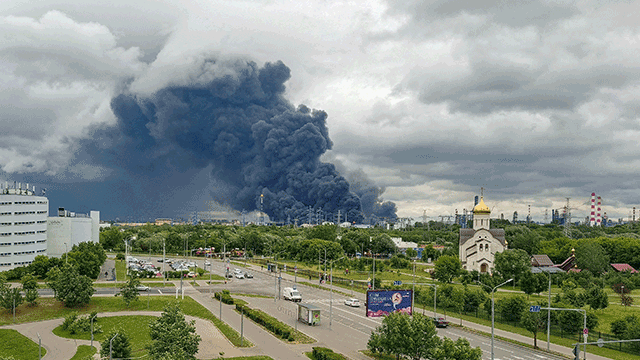
Ukraine’s ’40-Day Operation’ and Strikes on Russian Inland: Geopolitical Ripple Effects and Asset Allocation Strategies
Ukraine’s concentrated strikes on Russia’s inland logistics and energy networks through its “40-Day Operation,” paired with Russia’s aggressive countermeasures, signal that the Russo-Ukrainian War has fully entered the stage of “Total Economic & Logistics Warfare”. As political sensitivity intersects with strategic constraints from the US and NATO, alongside the long-term attrition warfare lessons learned by the anti-Western axis, global market uncertainties are becoming increasingly multi-dimensional. This analysis examines the geopolitical ripple effects in depth and outlines actionable asset allocation strategies for investors.
1. Multi-Dimensional Geopolitical Analysis via Four Core Pillars
The geopolitical escalation mechanism extends far beyond direct military engagements, creating complex chain reactions across global supply chains and macro economies.
Ukraine's '40-Day Operation' (Logistics/Energy Strikes) ➔ Russian Domestic Shocks & Political Risks │US/NATO Indirect Intervention (Defense/Deterrence) ────┼── Iran & Anti-Western Alliance (Attrition Lessons) │ ▼ [Global Supply Chain Instability & Resurgence of Commodity/Logistics Inflation]
① Inside Russia: Public Impact and Political Leadership Dilemma
Strikes on online delivery networks, logistics hubs, and rear energy infrastructure bring a tangible realization to the Russian public that the war’s consequences have reached their doorstep. To project internal control, the regime is highly likely to concentrate fiscal resources on defense, defend currency stability, and launch large-scale retaliatory strikes, further solidifying a permanent wartime economy.
② Ukraine’s Strategy: Pivot to ‘Hybrid Asymmetric Attrition’
To overcome the physical constraints of large-scale frontline offensives, Ukraine has intensified its strategy of destroying Russian rear economic infrastructure—such as oil tankers, logistics centers, and refineries—using drones and covert operations. As targeting expands from purely military facilities to dual-use civilian infrastructure, risk premiums across Black Sea and major inland shipping corridors are surging rapidly.
③ US and NATO Calculations: Strategic Bypassing and Election/Fiscal Burdens
NATO member states maintain a “limited proxy war” stance, providing anti-air missiles and intelligence while carefully avoiding direct military confrontation. Approaching US presidential elections and rising defense spending burdens across Europe moderate the pace of new financial aid, which paradoxically acts as a structural catalyst for global defense and cybersecurity sectors.
④ Iran and the Anti-Western Axis: Proliferation of the ‘Long-Term Endurance’ Model
Iran and its proxy networks are actively studying Russia’s tactics of long-term endurance and infrastructure disruption, sharing operational insights on maintaining domestic control and sustaining attrition warfare despite heavy Western sanctions. As conflicts in the Middle East and Eastern Europe become interconnected, elevated maritime rerouting costs and energy supply vulnerabilities are becoming structural fixtures.
2. Global Market Impacts and Asset Allocation Strategies for Investors
As the nature of conflict shifts toward the systematic destruction of logistics and infrastructure, investors must pivot away from short-term battlefield updates and focus on freight inflation, energy supply risks, and defense/cybersecurity infrastructure.
- Logistics, Shipping, and Infrastructure: Attacks on tankers and inland supply lines in the Black Sea and border regions drive up maritime freight indices (BDI, SCFI) and cargo insurance premiums. Portfolios should prioritize global logistics providers with alternative transport routes, shipping lines benefiting from higher freight rates, and companies building supply chains grounded in friendshoring.
- Energy and Petrochemicals: Disruption to Russian refineries and oil tankers expands global refining margins and creates structural supply imbalances in refined petroleum products like diesel and naphtha. Recommended strategies include hedging via traditional energy futures (Crude/LNG), allocating to refining equities, and investing in renewable energy and Energy Storage Systems (ESS) accelerated by energy security needs.
- Defense Industry and Cybersecurity: With asymmetric drone strikes and infrastructure disruption becoming normalized, demand for anti-drone defense, C4ISR (Command, Control, Communications, Computers, Intelligence, Surveillance, and Reconnaissance), and cybersecurity is surging. Investors should focus on major global defense contractors, network and satellite communication security, and AI-driven cybersecurity funds.