
Scientific Diagnosis of the UK’s 4-Month Consecutive Heatwave and European Economic Contraction
Earlier this year, temperatures at Kew Gardens in London, UK, soared to 38.1°C, breaking historical climate records. This unprecedented atmospheric event marks the first time since official weather observations began in the UK in 1884 that temperatures exceeded 35°C for four consecutive months. Consequently, over 70% of England’s territory and all of Wales have officially entered a national state of ‘Drought.’
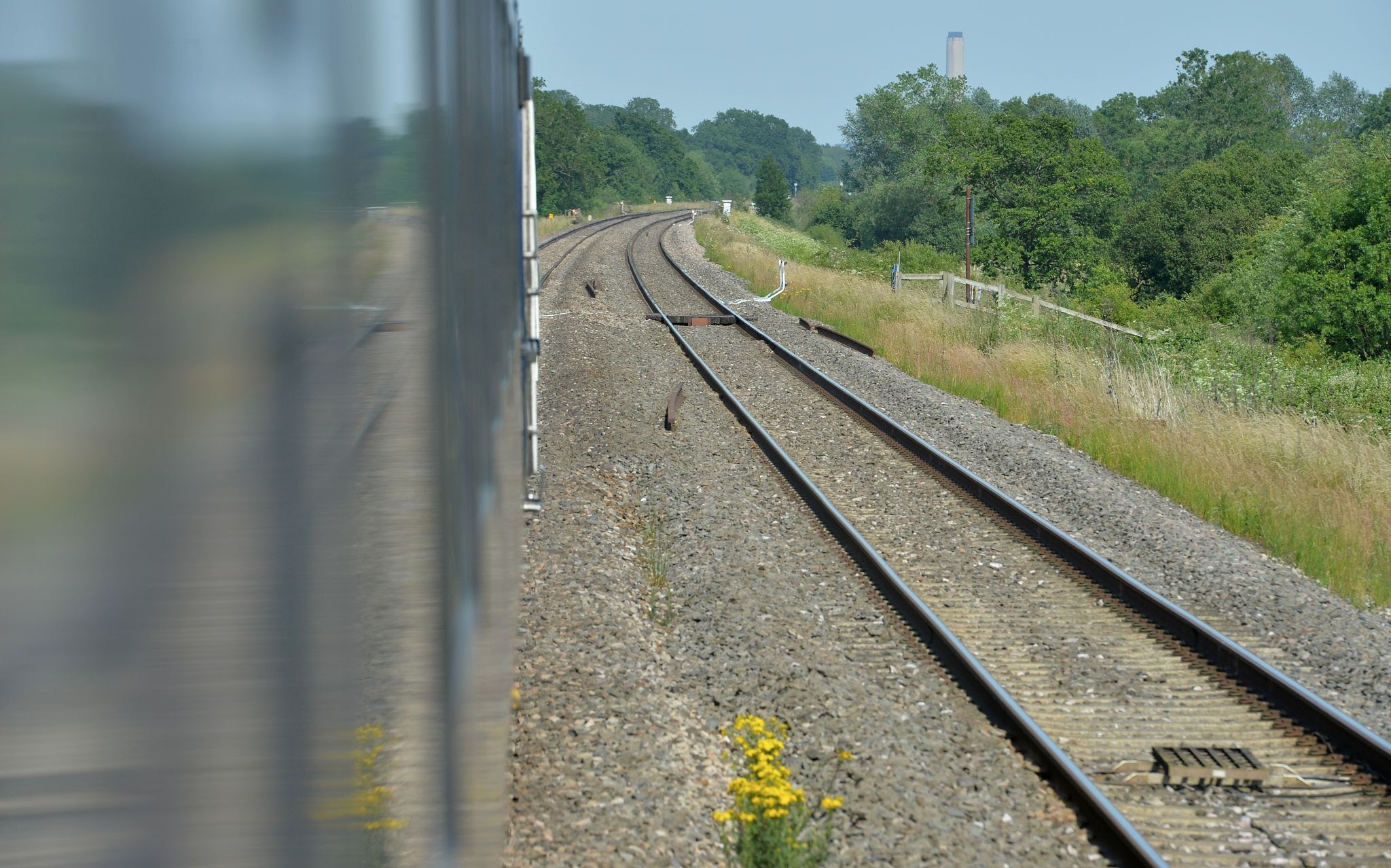
This climate anomaly is not merely about hotter weather. As demonstrated by the derailment risk near Lewes in Sussex, extreme high temperatures cause severe ‘Track Buckling’—where steel rails twist dangerously—and melt road asphalt, directly paralyzing critical national infrastructure.
This analysis provides an in-depth scientific diagnosis of the extreme weather disasters hitting the UK and Continental Europe—long considered symbols of rain and fog—while offering a comprehensive look into the cascading Polycrisis impacting the European economy.
1. Scientific Causes and Outlook of Europe’s Extreme Temperatures
The complete collapse of the UK’s typical weather pattern—traditionally known for being consistently cool and rainy—stems from structural alterations in atmospheric circulation driven by global warming.
① Weakening Jet Stream and ‘Rossby Wave Stagnation’
- Global Warming and Arctic Amplification: The phenomenon of Arctic Amplification, where the Arctic warms significantly faster than equatorial regions, has drastically reduced the temperature differential between the equator and the poles.
- Meandering Jet Stream Stagnation: As a result, the high-altitude Jet Stream, which normally blows rapidly from west to east, has slowed down markedly and developed deep, meandering loops, causing a Rossby Wave stagnation.
- Fixation of the Heat Dome: Consequently, stationary high-pressure ridges remain locked in place, continuously pumping scorching air from North Africa into Northern Europe. This locks in a prolonged ‘Heat Dome’ structure that traps hot air for weeks at a time.
② Soil-Atmosphere Feedback
- Total Depletion of Soil Moisture: Drought conditions starting early in the spring season have completely dried out surface soil moisture.
- Surge in Sensible Heat Conversion: Normally, solar energy is largely consumed in evaporating soil moisture (latent heat). However, with no moisture remaining, all solar radiation converts directly into Sensible Heat, directly heating the atmosphere.
- Vicious Cycle Feedback Loop: This completes a dangerous feedback loop: Heatwave occurs ➔ Soil dries out ➔ Sensible heat increases & Atmosphere heats up ➔ Severe heatwave intensifies further.
💡 How long will these extreme temperatures persist?
According to meteorological big data analysis, short-term maritime air masses entering in autumn may bring temporary drops in temperature. However, the structural normalization of extreme heatwaves is now an inevitable reality. As highlighted by the Intergovernmental Panel on Climate Change (IPCC) reports, with global average temperatures entering the +1.5°C threshold, mega-heatwaves that previously occurred once every 50 years are now becoming a annual summer recurrence—the new ‘Normal.’
2. Multidimensional Economic Contraction Across Europe (Polycrisis)
The recent heatwave and severe drought are triggering a multidimensional Polycrisis, concurrently paralyzing not only healthcare systems but also infrastructure, energy sectors, agriculture, and inland logistics across Europe.
📊 [Mechanism of European Economic Contraction Induced by Heatwaves & Droughts]
[Initial Shock] Air conditioning adoption under 5% in homes & public facilities │ ├── [Health & Labor] Surge in heat illnesses & labor productivity slump ➔ National healthcare systems paralyzed │ ├── [Infrastructure & Logistics] Track buckling & low river levels ➔ Transport network collapse & inland freight costs surge │ ├── [Energy & Industry] Nuclear cooling water shortages & water restrictions ➔ Power supply disruptions & generation cost spikes │ └── [Agriculture & Food] Arid farmland & spreading wildfires ➔ Agflation (Food Inflation)
🏛️ Comparative Analysis by Region and Sector in Europe
| Sector | United Kingdom (UK) | Germany & Central Europe (EU) |
| Infrastructure & Logistics | • Direct sunlight raises rail temperatures above 50°C, increasing track buckling and derailment risks • Deformed road asphalt leads to vehicle traffic paralysis | • Severe drops in Rhine River levels cause barge cargo volumes to plunge by 70% • Inland logistics costs spike and manufacturing plants face raw material delays |
| Health & Labor | • Due to cool climate history, air conditioning adoption in homes & hospitals is below 5% • On-site workers and medical staff face heat exhaustion, causing labor productivity to plummet | • Outdoor construction and manufacturing downtime increases significantly • Social healthcare costs related to heat-induced illnesses surge dramatically |
| Energy & Industry | • Key water supply depletion leads to emergency drought declarations and industrial water limits • Cooling power grid overloads heighten nationwide blackout risks | • French nuclear reactors shut down due to cooling water shortages and rising water temperatures • Gas and electricity production costs skyrocket, weakening industrial competitiveness |
3. Three Core Ripple Effects Shaking the Broader Economy
- Infrastructure Collapse and Freight Cost SpikesAs evidenced by the derailment risk near Lewes in Sussex, UK, extreme heat pushes rail surface temperatures above 50°C, warping tracks and melting asphalt roads to bring logistics networks to a standstill. Meanwhile, major inland waterways like the Rhine River in Germany are drying up, severely reducing cargo transport capacity and driving logistics costs to historic highs.
- Labor Productivity Slump Due to Lack of Air ConditioningBecause of its historically cooler climate, air conditioning penetration in UK homes, public buildings, and hospitals remains below 5%. Consequently, medical professionals and nurses have collapsed from heat illness while working, and outdoor labor has become virtually impossible, leading to a steep drop in overall national industrial productivity.
- Agricultural Paralyzation and Food Inflation (Agflation)With over 70% of soil in England severely parched, crop yields for wheat, olives, fruits, and livestock feed have dropped by 20% to 40% compared to the previous year. This drives up livestock rearing costs and raw material prices, serving as a primary catalyst for prolonged Agflation across Europe.