
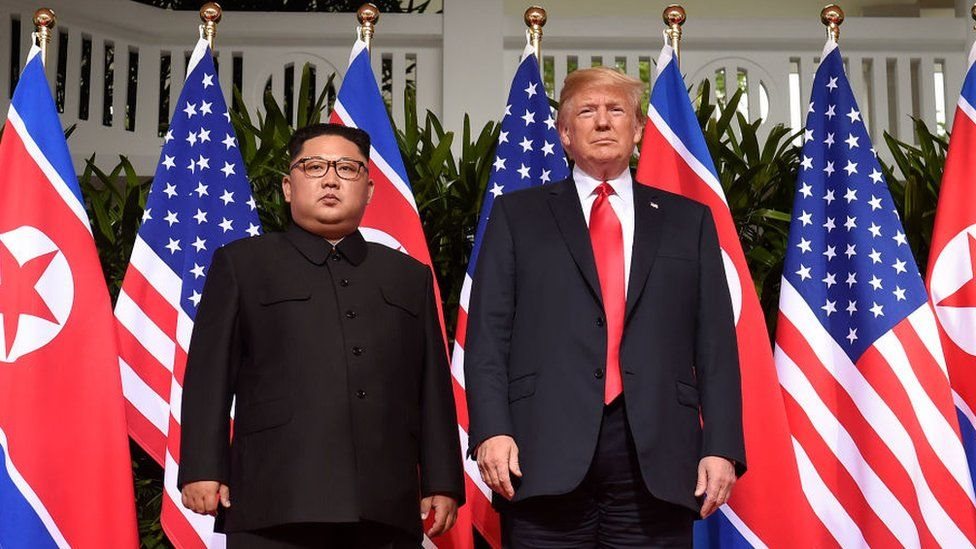
📌 KEY BRIEFING SUMMARY
Ahead of the November US midterm elections, the US administration is maneuvering a bold diplomatic card—a proposed Trump-Kim Summit—to break through internal public backlash caused by the prolonged Iran crisis, skyrocketing international oil prices, and soaring defense expenditures. Strategic shifts, such as removing offensive counterattack scenarios from theUS-ROK Ulchi Freedom Shield (UFS) Exercisesand pursuing a summit near the NovemberAPEC Summit, reflect Washington’s urgent political calculus. This analysis delves into the core negotiation terms of the summit, the prospective shift in US voter approval, and the cascading impacts on the global investment environment tied to the Middle East conflict.
Push for an Autumn Trump-Kim Summit and the Complex Political Economy of the US Elections
A sharp shift in tone is sweeping through the foreign policy and national security posture of the US administration. Facing the upcoming November midterm elections, public criticism among American voters has intensified due to the lingering conflict with Iran in the Middle East, consequential surges in global energy prices, and massive defense spending allocations.
To pivot away from these compounding domestic and international headwinds, Washington political circles are floating a high-stakes North Korea-US Summit as a high-impact narrative shift. The sudden modification and omission of counterattack (offensive) scenarios during the joint UFS military drills, coupled with active moves to arrange a summit alongside the November APEC Leaders’ Meeting, clearly illustrate the pressing timeline facing US policymakers. Here is a detailed look at the substantive mechanics of this prospective meeting, its structural constraints, and its ripple effects across global markets.
📦 CASE 1 | Core Negotiation Agenda & Feasibility of the Summit
[North Korea-US Summit Package Deal Structure]
1. US Offer Strategy
- Scaled-Back Joint Drills: institutionalizing the reduction of US-ROK combined military exercises, including the cancellation of UFS offensive counterattack phases.
- Sanctions Relief & Communication Channels: temporary waivers on humanitarian sanctions against North Korea and formal consideration of establishing mutual liaison offices.
2. North Korean Demands
- Halting Strategic Asset Deployment: complete and permanent cessation of deploying US-ROK strategic military assets to the region.
- Full Sanctions Lifting & Nuclear Recognition: full removal of economic sanctions and formal recognition of North Korea’s asymmetric nuclear-weapon state status in Northeast Asia.
3. Political & Diplomatic Resolution Outlook
- Limits of a Substantive Breakthrough: Given Pyongang’s deepened alignment with Moscow and advanced nuclear capabilities, scaling down military exercises alone is fundamentally insufficient to yield Complete, Verifiable, and Irreversible Denuclearization (CVID).
- Focus on Symbolic Outcomes: Consequently, rather than achieving meaningful denuclearization, the meeting is highly likely to settle on a politically driven, symbolic moratorium (freezing nuclear and missile testing) designed primarily as a diplomatic headline for the fall election cycle.
Voter Sentiment in the US: Can Discontent Over Iran and Defense Budgets Be Mitigated?
Despite Washington’s attempt to redirect public focus toward diplomatic spectacle, structural realities firmly constrain its ability to shift underlying voter sentiments before the midterms.
📦 CASE 2 | US Domestic Sentiment & Approval Rating Impact
• Escalating Iran Conflict and Climate/Energy Strains
Renewed strikes in Iran and potential blockade risks around the Strait of Hormuz have triggered immediate inflationary pressures and global oil spikes. This acts as a direct hit to the real income of American households. Furthermore, as vast fiscal resources are directed toward Middle Eastern military engagements and defense budget expansion, voters express growing frustration over reduced R&D funding for climate change mitigation (extreme heat, droughts) and clean energy transition projects.
• Media Coverage vs. Long-Term Public Trust
While a widely broadcast meeting between the US and North Korean leaders provides a temporary “political showmanship” effect that distracts from Middle Eastern setbacks, its lasting utility is limited. Unless structural economic challenges directly affecting daily lives—such as sticky inflation, high interest rates, and excessive defense outlays—are resolved, a single diplomatic event is unlikely to secure a midterm victory or restore public trust.
International Diplomatic Alternatives and the Outlook for Global Investors
Using a Korean Peninsula diplomatic card to bypass the fallout of Middle Eastern conflicts closely resembles a short-term workaround rather than a durable strategy. Rebuilding long-term international trust requires restraining unilateral military actions, ensuring maritime navigation safety in the Strait of Hormuz under multilateral frameworks, and recalibrating federal spending toward energy and climate resilience.
📦 CASE 3 | Market Impact & Investor Response Strategies
[Transmission Mechanism of Diplomatic & Economic Strategy]
Middle East Conflict & Oil Spikes──➔Diplomatic Pivot to North Korea Summit──➔Financial & Commodity Market Reactions1. Persistence of Geopolitical Risk Premiums
Even if an autumn summit materializes, underlying structural pressures—including Middle Eastern crude supply bottlenecks and persistent global inflation—will not dissipate overnight. A disconnect between high-profile diplomatic headlines and real economic conditions is likely to persist.
2. Asset Allocation & Portfolio Posture
- Filter Out Short-Term Noise: Investors should avoid overreacting to transient geopolitical news flashes and focus on cold, structured asset diversification.
- Build Defensive Portfolios: Maintaining a defensive allocation centered on energy-hedged assets (crude oil, LNG, core commodities), physical safe havens like gold, and short-duration bonds to navigate rate volatility remains the recommended stance.
Ultimately, while a fall North Korea-US summit may offer the US administration a temporary political pivot, it possesses clear limits in altering the core trajectory of the global economy and broader geopolitical risks. Market participants and investors should look past short-term diplomatic events to carefully monitor underlying real economy trends and structural shifts within commodity markets.
For a broader perspective on how global political events influence market sentiment, watch this overview on Donald Trump and Kim Jong Un’s historic summit, which provides context on how high-stakes geopolitical meetings impact international relations and economic outlooks.