
European Drought and the Stagflation Era: Household & National Economic Diagnosis and Investment Strategies
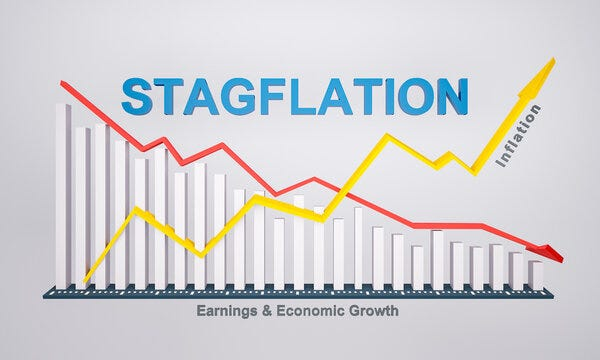
Amid growing geopolitical turbulence—including political calculations surrounding the U.S. midterm elections, persistent oil market instability in the Middle East, and Russia’s disruption of Ukrainian grain logistics—a record-breaking heatwave and severe drought across the European continent are delivering a decisive blow to the global economy. Power shortages caused by nuclear power plant shutdowns and catastrophic crop yield drops are sending energy and agricultural prices soaring to unprecedented heights. These factors clearly signal the onset of stagflation—a harmful economic cycle of stagnant growth combined with rising inflation.
This article provides a comprehensive analysis of the 3-stage crisis scenario that households and the national economy will face over the next six months (second half of 2026 through early 2027), along with multi-dimensional asset allocation solutions designed for individual investors to protect and grow their wealth.
1. Economic Diagnosis: The 3-Stage Economic Crisis Scenario over the Next 6 Months
[The 3-Stage Economic Progression in a Stagflation Environment]
Stage 1 (Months 1–2): Physical Commodity Shock (Power shortages, grain price surges, upward pressure on public utility fees)
Stage 2 (Months 3–4): Decline in Real Household Income (Soaring grocery prices, cooling domestic consumer spending)
Stage 3 (Months 5–6): Monetary Policy Dilemma (Difficulty in cutting interest rates, worsening corporate earnings, entrenched stagflation)
① Stage 1 (Current ~ Month 2): Supply Chain Disruptions and Commodity Shocks Penetrate the Real Economy
As water levels in major European rivers—such as the Danube and the Rhine—drop to historical lows, major nuclear power plants that rely on river water for cooling have taken a heavy hit. Plants such as Hungary’s Paks and Romania’s Cernavoda have been forced to reduce output drastically or undergo temporary shutdowns.
This steep decline in power generation capacity has driven wholesale electricity prices up sharply, inflating production costs and logistics expenses for European manufacturers. With a typical time lag of 3 to 6 months, these energy and commodity shocks directly push up the consumer prices of processed foods, livestock feed, and dairy products.
② Stage 2 (Months 3–4): Direct Hit to Real Household Income and Consumer Freezing
The surge in international wheat and soybean futures prices begins to fully transfer into everyday living costs at supermarkets and restaurants. When grocery and dining bills skyrocket, households experience a drop in real purchasing power even if their nominal income remains unchanged.
Because households cannot easily cut back on essentials like food, electricity, and heating, they naturally slash discretionary spending first—reducing expenditures on apparel, entertainment, home appliances, and dining out. As consumer sentiment cools, small business revenues decline, dragging the broader domestic economy deeper into recession.
③ Stage 3 (Months 5–6): Central Bank Dilemma and Worsening Corporate Earnings
Under normal economic downturns, central banks lower benchmark interest rates to inject liquidity and stimulate growth. However, in a stagflationary environment compounded by Middle Eastern oil volatility and agricultural inflation (agflation), central banks cannot cut interest rates hastily. Doing so risks reigniting hyperinflation.
Trapped in a monetary policy dilemma where they can neither stimulate growth nor curb inflation effectively, corporate earnings forecasts undergo consecutive downward revisions. Simultaneously, national fiscal health degrades rapidly due to rising social welfare and relief expenditures alongside shrinking tax revenues.
2. Asset Allocation and Portfolio Strategies for Individual Investors
In a stagflationary regime where commodity inflation and geopolitical risks collide, traditional portfolios like the “60% Equities / 40% Bonds” strategy fail to shield accounts from downside risk. A swift pivot toward real assets and defensive instruments is essential.
| Asset Class | Recommended Weight | Core Investment Strategy & Mechanism |
|---|---|---|
| Agricultural & Broad Commodities | 10% ~ 15% | Utilize agricultural futures ETFs (wheat, corn, soybeans) and broad commodity ETFs to directly capture price gains in real resources |
| Physical Safe-Haven Assets (Gold) | 15% ~ 20% | Expand allocation to physical gold and Gold ETFs to hedge against currency devaluation and escalating geopolitical risks |
| U.S. Short-Term Debt & Cash | 30% ~ 40% | Avoid duration risk in long-term bonds; lock in reliable yield via short-term U.S. Treasury Bills (under 1 year) while holding cash for market bottom signals |
| Pricing-Power Equities | 25% ~ 35% | Selectively invest in global monopolistic consumer staples, agricultural infrastructure, and fertilizer/seed companies capable of passing rising input costs to consumers |
3. Key Action Guide for Investors
First, exercise extreme caution with long-term bonds. Inflation anxiety during stagflation pushes market interest rates upward, creating significant price volatility for long-duration bonds. Holding short-duration instruments like short-term Treasury bills offers a much safer sanctuary.
Second, focus on verifiable cash flow over speculative growth. Instead of growth stocks reliant on distant expectations, shift your portfolio’s center of gravity toward high-dividend resource companies or global consumer staples with strong pricing power that can maintain profit margins despite rising raw material costs.