
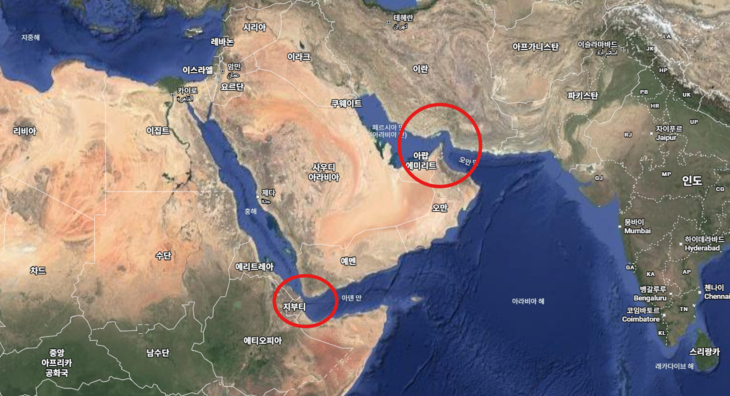
Hormuz Strait Crisis and Energo-Geopolitical Realignment: Short- and Medium-Term Macroeconomic & Investor Strategy Analysis
As tensions between the United States and Iran around the Strait of Hormuz persist, Iran has utilized Pakistan as a diplomatic mediator to formally demand that the U.S. return to the cessation of hostilities Memorandum of Understanding (MOU) and fulfill transit conditions regarding the strait. Concurrently, Japan—one of the world’s largest crude oil importers—has announced a series of unprecedented energy security measures to counter the risk of a Hormuz blockade. These include financial support for bypass pipeline infrastructure, state subsidies for the domestic refining sector, a government-backed shipping reinsurance guarantee system, and an extension of the fuel price capping subsidy (keeping gasoline around 170 yen per liter).
The prolonged war of attrition in Eastern Europe, shifting political dynamics in Russia, and persistent Middle Eastern oil supply anxieties are converging to raise concerns over a resurgence of global inflation. Standing at a critical crossroads between the potential resumption of peace talks and escalating geopolitical risks, this analysis provides a multi-faceted assessment of short- and medium-term macroeconomic impacts on households and national economies, alongside strategic asset allocation plans for investors.
1. Key Framework of the Hormuz Bypass Strategy and Pakistan’s Mediation
- Iran-Pakistan Diplomatic Channel and Political Calculus: Iran is calibrating its diplomatic leverage by demanding a return to the U.S. cessation MOU and guarantees for transit through international waters. Demanding an end to U.S. blockades and sanction relief serves as a precise tactical maneuver, exploiting diplomatic pressure and economic burdens on the U.S. administration ahead of major political cycles. The mediation led by Pakistan’s military leadership demonstrates that third-country geopolitical risk management channels across Asia and the Middle East are now actively operational, providing an essential safeguard against direct military escalation.
- Japan’s Energy Security Nationalization and Post-Hormuz Transition: Japan is directly allocating state funds to build overland pipeline networks and transportation infrastructure that bypass the Strait of Hormuz, such as Saudi Arabia’s East-West Pipeline and the UAE’s ADCOP pipeline. Furthermore, the government is directly underwriting reinsurance risks that foreign commercial insurers refuse to cover and drawing on emergency reserves to defend domestic gasoline prices at 170 yen (approx. $1.15) per liter. These aggressive interventions symbolize a broader trend where governments step in with quasi-nationalization measures during energy shocks. Rather than short-term price relief, this reflects a state-led energy security posture where the public sector absorbs private market failure risks.
- Global Macroeconomic and Supply Chain Cost Pressures: Fears over Middle Eastern supply disruptions are escalating the probability of an “Energo-Inflation” rebound. Soaring maritime freight rates and surging vessel insurance premiums are combining to place persistent upward cost pressure on global manufacturing and logistics. This structural cost inflation threatens to delay central bank monetary policy pivots (rate cuts) and obscure the path toward lower interest rates, posing a tangible headwind to broader economic recovery.
2. Short- and Medium-Term Economic & Market Impact (6-Month Timeline)
| Scenario Category | Short-Term Scenario (1–3 Months) | Medium-Term Scenario (3–6 Months) |
| Peace Agreement Breakthrough (Optimistic) | • Crude oil plunges to the $70 range upon Pakistan-mediated agreement • Global equity markets rebound; import price inflation rapidly cools • Investor sentiment recovers as geopolitical risk premiums fade • Sharp rally in emerging market equities heavily reliant on energy imports | • Global supply chain bottlenecks ease; major central banks resume rate cuts • Emerging market currencies (including the South Korean Won) strengthen; domestic consumption recovers • Government fiscal burdens for emergency energy subsidies lessen • Corporate trade volumes expand; global inventory restocking resumes |
| Talks Collapse & Prolonged Conflict (Base / Severe) | • Oil prices lock in at $90–$110; global maritime freight rates surge • Escalating supply disruptions and freight attacks in Eastern Europe • Capital markets contract due to heightened commodity price volatility • Air cargo rates surge alongside maritime transport risk | • Global stagflation (economic slowdown coupled with rising inflation) becomes entrenched • Central banks prolong tight monetary stances; upward pressure on market yields • Corporate profitability declines; global trade volume contractions worsen • Eroded purchasing power depresses household consumption and employment |
3. Asset Allocation Strategy for Macro and Individual Investors
In a complex crisis where the risks of prolonged conflict directly collide with the possibility of diplomatic breakthroughs, investors should avoid betting on a single directional outcome and instead construct a hybrid hedge portfolio:
- Diversified Allocations in Physical Energy & Agricultural ETFs: To hedge against prolonged Hormuz blockades and Eastern European grain shipping disruptions, maintain 10–15% of the portfolio in crude oil/LNG futures ETFs and agricultural commodity ETFs to absorb inflationary shocks.
- Focus on State-Backed Energy Infrastructure & Shipping Equities: Allocate capital to major shipping and logistics companies as well as energy transport chartering firms that benefit from state-backed transit support and bypass pipeline infrastructure projects, similar to Japan’s policy initiatives. These assets provide an effective hedge against rising oil prices and elevated freight rates.
- Dual Defensive Shield via U.S. Short-Term Treasury Bills & Physical Gold: To safeguard against currency depreciation and capital market volatility during peak geopolitical risks, actively utilize Physical Gold ETFs (15%) and short-term U.S. Treasury Bills under 1 year (20%) to secure liquidity and baseline stability.
- Maintain Cash Reserves for FX Volatility: In periods of heightened exchange rate volatility, holding 10–15% of assets in USD cash equivalents provides the flexibility needed to capitalize on market drawdowns. This multi-layered strategy mitigates downside risks while ensuring the agility required to capture sudden market rebounds upon potential diplomatic resolutions.