
US Political Calculus and Middle East Oil Blockade: Asian Economic Crises and Strategic Responses
“Maritime Blockades and Asian Energy Emergency”
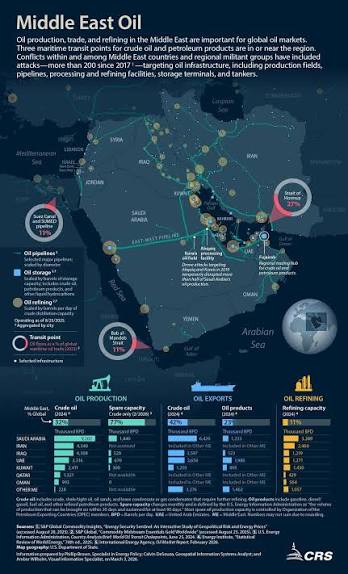
Rising tensions along Middle Eastern maritime choke points have triggered severe energy security warnings across Asian and ASEAN economies. As logistics blockades by Yemen’s Houthi rebels extend, major oil-importing nations face rapidly depleting strategic petroleum reserves and potential supply chain paralysis. Despite Asia bearing the primary burden of this disruption, the United States has maintained a remarkably passive military stance. This analysis examines the political and strategic trade-offs framing US policy, details the economic fallout across key Asian economies, and provides a structured risk-management framework for international investors.
1. Passive US Responses and Strategic Attrition: The Trump Administration’s Dilemma
While Washington maintains an official position focused on containing Iranian nuclear ambitions and securing critical waterways such as the Strait of Hormuz, its operational military engagement remains strictly defensive. Even amid IAEA reports indicating escalated Iranian nuclear activity and persistent Houthi strikes on commercial vessels, the US has avoided decisive offensive action due to complex internal political and military constraints.
- US Midterm Elections and Inflationary Risks: Domestically, the administration faces severe political constraints tied to energy prices. A full-scale US military offensive targeting Houthi strongholds or Iranian sovereign territory risks triggering immediate Iranian retaliation, leading to a complete blockade of the Strait of Hormuz. Such an escalation would cause international crude oil prices to surge, directly inflating US domestic gasoline prices. Ahead of critical midterm elections, rekindling domestic inflation presents a severe political liability for the Trump administration, forcing a reliance on low-intensity, defensive containment strategies.
- Sustained Asymmetric Warfare Costs: Calls from traditional regional partners, including Saudi Arabia, for decisive military intervention face structural limitations in modern asymmetric warfare. Intercepting low-cost drone platforms and loitering munitions deployed by Houthi forces requires the continuous expenditure of sophisticated air defense interceptors (e.g., SM-2 and Patriot missiles) costing millions of dollars per launch. This profound cost asymmetry drains precision munitions stockpiles and severely restricts long-term military commitment.
2. Crisis Status and Countermeasures Across Asian & ASEAN Nations
As Middle Eastern maritime access deteriorates, Asian economies heavily reliant on crude imports face declining national reserves. Below is an overview of regional vulnerabilities and emergency interventions:
| Country / Region | Middle East Oil Dependence | Reserve Status & Core Impacts | National Emergency Countermeasures |
| Japan | Approx. 90–95% | 180-day strategic reserve nearing critical drain. Saudi East-West bypass pipeline threatened by drone strikes. | • Release strategic government oil reserves and reduce refinery throughput. • Execute diplomatic efforts to secure the Saudi East-West Pipeline (Yanbu Port). • Accelerate the restart of nuclear power plants and LNG procurement. |
| China | Approx. 45–50% | Short-term buffer via state stockpiles; refinery margins collapsing. | • Expand illicit import channels (shadow fleet) for Iranian crude and maximize pipeline imports (ESPO) from Russia. • Accelerate Electric Vehicle (EV) adoption and increase coal-fired power generation. |
| South Korea | Approx. 70% | Reserves approaching critical 70–90 day depletion threshold. Surging petrochemical feedstocks and transport costs. | • Provide financial incentives for crude import diversification (e.g., US WTI). • Extend fuel excise tax cuts and implement dynamic price stabilization mechanisms. |
| ASEAN (Vietnam, Thailand, etc.) | Approx. 60–80% | Limited strategic reserves; acute fuel shortages and inflation spikes. | • Enact strict import quotas and retail price controls in fuel-importing nations. • Establish bilateral crude-swap agreements with regional producers (Indonesia, Malaysia). |
3. Portfolio Allocation & Risk Management Guidelines for Investors
To navigate persistent supply chain bottlenecks and macroeconomic volatility, investors should structure portfolios around three core operational shifts:
- Reduce Exposure to Petrochemicals and Traditional Manufacturing: Sustained high input costs for raw crude combined with contracting refining margins directly impair profitability across the petrochemical sector. Furthermore, elevated maritime freight rates and extended transit times will weigh heavily on global logistics, shipping, and legacy manufacturing earnings.
- Capitalize on Rerouted Supply Chains and Alternative Energy: The necessity of bypassing Middle Eastern maritime routes increases operational demand for US crude (WTI) transport providers and alternative logistics intermediaries. Concurrently, national imperatives to bolster energy sovereignty create structural tailwinds for Small Modular Reactor (SMR) developers, nuclear utilities, and advanced renewable energy infrastructure.
- Hedge Against Asian Currency Depreciation: Protracted geopolitical instability in the Middle East reinforces capital flight toward safe-haven assets, maintaining upward pressure on the US Dollar (USD). Investors should mitigate foreign exchange losses across Asian currency holdings by allocating toward USD-denominated assets, liquid USD ETFs, and strategic commodity hedges.