
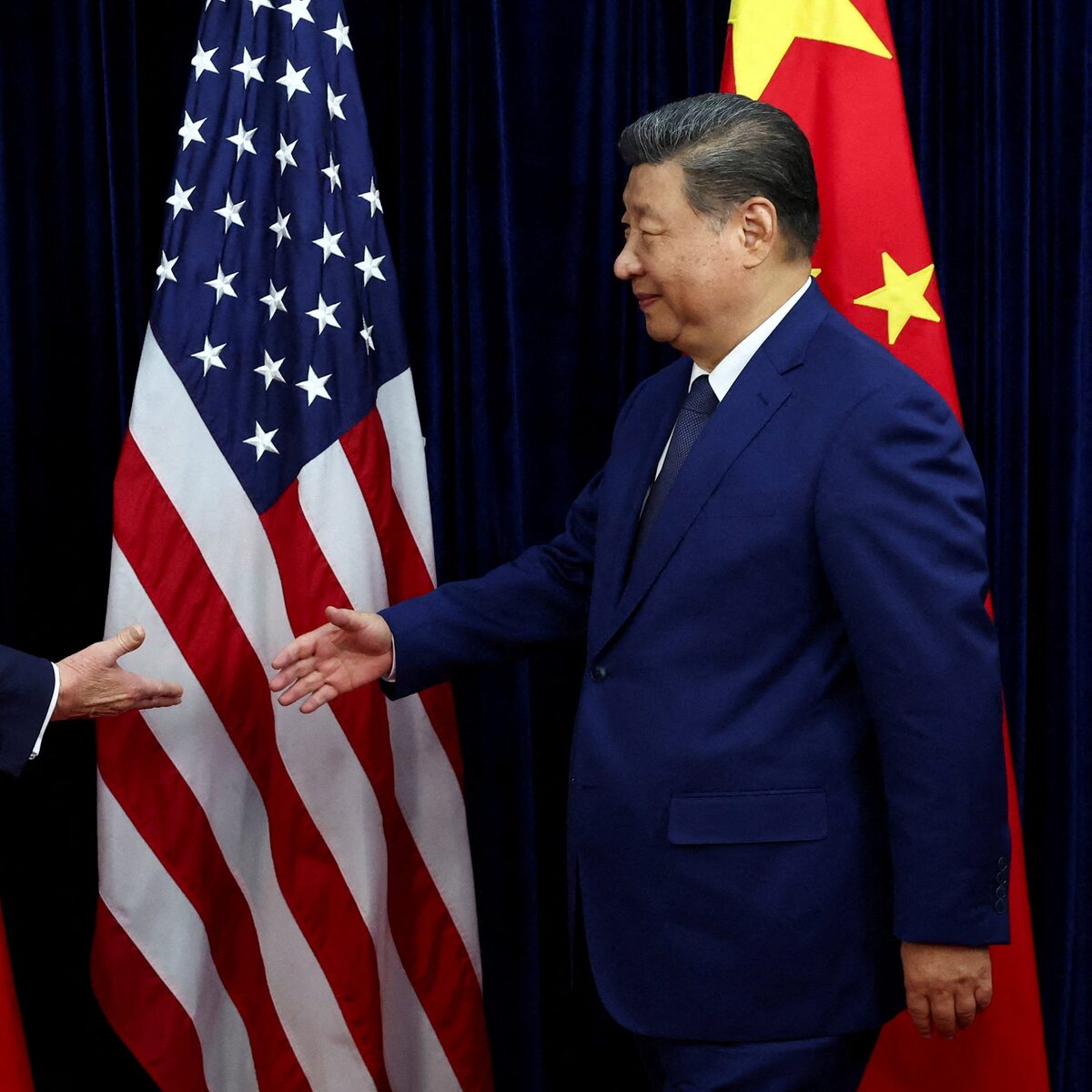
President Donald Trump’s decision to personally greet Chinese President Xi Jinping at Joint Base Andrews near Washington, D.C., at around 4:00 PM EST on the 23rd is a dramatic theatrical spectacle that transcends conventional diplomatic rhetoric. Compared to the previous Beijing summit, where the Chinese greeting representative was Vice President Han Zheng, President Trump’s actions represent a complete reversal of diplomatic etiquette and a calculated “weaponization of protocol.” This analysis delves deeply into the behind-the-scenes political and economic interests of the U.S. administration and their broader geopolitical impacts, from the perspectives of general readers and professional investors alike.
1. Exchanging Diplomatic Recognition for Substantive Gains: The Mechanism of “Weaponizing Protocol”
A core principle of Chinese diplomacy is securing international recognition as a power of “Great Power Equality.” To strengthen his internal political standing and demonstrate the legitimacy of his long-term governance both domestically and internationally, President Xi Jinping urgently requires formal recognition and respect delivered through equal diplomatic standing alongside the U.S. President.
President Trump accurately identified this vulnerability and provided extraordinary protocol by personally heading to the airport as a head of state. However, this is far from a simple act of goodwill; it is part of an extremely transactional, interest-driven deal. Rather than clinging to prestige, the U.S. handed prestige and face to President Xi in exchange for securing tangible concessions on issues directly tied to global supply chains and the domestic economy—a strategy of “pragmatic prioritization.” In essence, it is a high-level psychological campaign and narrative shift: grant China the prestige while the U.S. retains the actual practical gains.
2. Structural Calculation: Beijing Summit vs. Washington Summit
| Category | Beijing Summit (China’s Defensive Stance) | Washington Summit (U.S. Value Harvesting) |
| Greeting Protocol | Received by Vice President Han Zheng; Inspection of Honor Guard at Great Hall of the People | Direct airport greeting by President Trump (Unprecedented, top-tier protocol) |
| Core Objective | Postpone additional U.S. tariffs and ease tech sanctions | Secure rare earth supply chains, finalize massive purchase deals, enforce geopolitical deterrence |
| Political Background | Counter domestic economic slowdown and prove regime stability | Secure votes ahead of the midterms and presidential election cycle |
| Economic Gains | Buy time for technological self-reliance | Consolidate voter base via real revenue for agricultural and energy sectors |
3. Three Hidden Political and Economic Interests Targeted by the U.S. Administration
- Preventing Cascading Failures in High-Tech & Defense Industries: Immediate Lifting of Rare Earth Export Controls
- Hidden Interest: China’s export restrictions on critical minerals and rare earths placed immediate pressure on missile and radar production lines within the U.S. defense sector, as well as supply chains for electric vehicles and high-tech IT companies like Tesla.
- Political Calculation: By offering unprecedented protocol, the U.S. aims to force the removal of export controls on critical minerals, thereby preventing losses for U.S. high-tech capital and appeasing domestic defense lobbyists and Big Tech firms.
- Winning Over Key Electoral Zones (Farm Belt & Oil Belt): The “Big Buy”
- Hidden Interest: President Trump’s core support base lies within the agricultural regions (Farm Belt), such as Iowa and Nebraska, and energy-producing states (Oil Belt) centered in Texas. If export routes to China remain blocked, rising farm debt and accumulating energy inventories could lead to voter attrition, making an election victory impossible.
- Political Calculation: By compelling China into large-scale, long-term purchase contracts for soybeans, corn, and LNG (liquefied natural gas), the administration aims to demonstrate tangible economic results to its base right before the election, thereby solidifying key votes.
- Mitigating Middle East and Korean Peninsula Risks: Zero-Cost Geopolitical Freeze
- Hidden Interest: Prolonged turmoil in the Middle East and strategic provocations from North Korea dilute the U.S. defense budget and weaken its capacity to support other global conflicts.
- Political Calculation: By encouraging China to reduce its imports of Iranian crude oil (via the shadow fleet) and restrain North Korea from unnecessary strategic provocations, the U.S. intends to manage external security risks without incurring additional military or financial expenditures.
4. Market Strategies and Key Takeaways for Professional Investors and General Readers
The friendly atmosphere displayed immediately following the summit may spark a temporary short-term rally in global equities, risk assets, and commodity markets. However, this reflects a temporary tactical compromise rather than a structural reconciliation, meaning long-term systemic tensions between the U.S. and China will persist.
- Persistence of U.S.-China Strategic Competition: Congressional bipartisan support for Chinese sanctions and core technology export controls will highly likely endure regardless of the election cycle. This summit represents a pause to regroup rather than a lasting compromise.
- Specific Portfolio Recommendations:
- Capitalize on Short-Term Rallies: Utilize short-term momentum in sectors benefiting from eased China-related risks (consumer goods, select IT sectors, export manufacturing). However, as foundational geopolitical risks remain unresolved, aggressive chase-buying should be avoided.
- Maintain Exposure to Resilient Value Chains: Maintaining medium-to-long-term portfolio allocations toward the U.S. defense industry, companies integrated into domestic mineral sourcing, and alternative supply chains routing through Central Asia, Australia, and North America remains a strategic priority.
This presidential summit displays a classic example of cold, transactional “business-style diplomacy,” wherein grand diplomatic theater masks a rigorous exchange of political votes for high-tech industrial interests. Readers should look beyond the optical illusion of diplomatic harmony and maintain focus on the underlying shifts in resources and policy.