
We provide a detailed analysis of the hidden dynamics behind the actual battlefield situation and geopolitical structure—ranging from the Trump administration’s political calculations for the US presidential and midterm elections and its energy strategy, to the SpaceX Starshield speed limit controversy, the limits of Ukraine’s indigenous drone capabilities, and the ripple effects on global food (grain) prices.
1. The Starshield Speed Limit Controversy and the Reality of Ukraine’s Drone Communications Network
SpaceX’s military variant of Starlink, Starshield, imposed a speed restriction (limiting movement to under 160 km/h). This created severe disruptions for Ukraine’s air defense drone network, which tracks and intercepts Russia’s ‘Shahed’ high-speed kamikaze drones flying at over 400 km/h. Although high-level negotiations subsequently led to the lifting of the speed restriction and service restoration, this incident clearly exposed the asymmetric dependency of Ukraine’s drone capabilities.
[Dual Communications Network Structure of Ukrainian Drone Operations]
- Short-Range / Frontline Operations (Indigenous Technology)
- FPV kamikaze drones, small reconnaissance drones
- Controlled via Radio Frequency (RF) and Fiber-optic cables
- Operational Range: Within 5–20 km (Independently operable)
- Frontline Operations: FPV (First-Person View) kamikaze drones and small reconnaissance drones targeting Russian tanks and positions within 5–20 km of the frontlines operate seamlessly using Ukrainian indigenous technology, leveraging RF channels or fiber-optic wired controls to evade electronic jamming.
- Medium to Long-Range & Air Defense Interception (Starshield Essential)
- High-speed interceptor drones (~400 km/h class)
- Long-range deep-strike drones, real-time satellite communication
- Operational Range: Hundreds of km or more (No viable immediate substitutes)
- Integrated Interception Network: Long-range drones targeting oil refineries inside Russia, as well as integrated missile-drone networks precisely tracking and intercepting high-speed Shahed drones, strictly require satellite internet capable of transmitting high-speed, high-volume real-time data.
- Dependency: Without a satellite network, real-time video transmission is blocked or delayed, rendering operations impossible. While alternatives like Europe’s Eutelsat or OneWeb are being explored, replacing Starlink’s scale in high-speed military network coverage in the short term remains extremely difficult.
2. Clash Between US ‘Diesel Price Control’ Diplomacy and Ukraine’s Independent Strategy
Ahead of the midterm elections, the Trump administration envisioned an “energy truce” and an indirect import scheme for Russian diesel to curb surging diesel and energy prices—the primary source of dissatisfaction among US farmers and manufacturers.
[US Energy Calculation vs. Ukraine’s Survival Strategy]
- US Energy Calculation: Securing votes from US farmers/manufacturers (lowering diesel prices) ➔ Pressuring Ukraine to halt strikes on Russian oil refineries.
- Ukraine’s Survival Strategy: Disrupting Russia’s war-sustaining capabilities by striking oil refineries ➔ Preventing leverage loss in US-led negotiations and resuming independent airstrikes.
- US Pressure (Yellow Card): The US signaled Ukraine to stop targeting Russian oil refineries to stabilize oil prices. Analysts widely believe that restrictions on the Starlink network were leveraged as a pressure tactic during this process.
- Ukrainian Backlash: However, Ukraine determined that halting refinery strikes would lead to unilateral negotiations between the US and Russia while erasing its own bargaining power. Consequently, despite the Starlink restriction controversy, Ukraine pursued an independent path by deploying its own long-chain drones to strike Russian oil refineries.
3. Timeline for Ending the Russia-Ukraine War and Global Food (Grain) Price Outlook
With Middle East tensions expected to persist for over a year, the timeline for the end of the Russia-Ukraine war and the stabilization of global food (grain) prices will depend on three phased signals:
- Phase 1 (November 2026): End of US Midterm Elections ➔ Reduction of abrupt US diplomatic pressure; turning point for negotiations.
- Phase 2 (First Half of 2027): Black Sea Grain Corridor Security Guaranteed ➔ Military lull.
- Phase 3 (Second Half of 2027): Normalization of Global Grain Supply/Demand ➔ Easing of food inflation.
- Turning Point for Peace Negotiations (After November 2026 US Midterms): The Trump administration’s pressure diplomacy is aligned with voter sentiment for the November midterm elections. Once the elections conclude, short-term pressure to manage oil prices will decrease, opening up possibilities for pragmatic ceasefire/truce negotiations led by NATO and European allies.
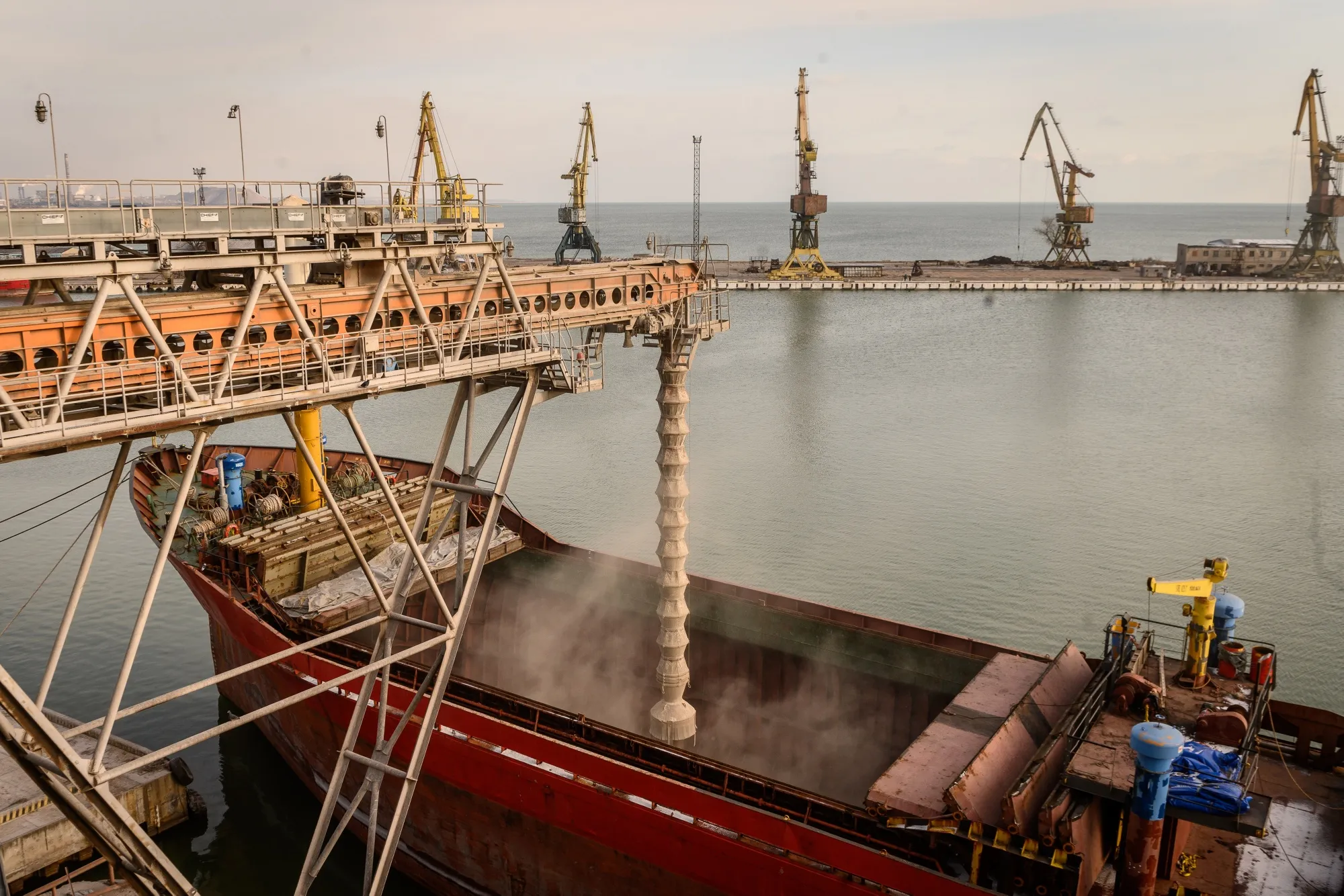
- Lifting of the Black Sea Blockade and Maritime Stability (First Half of 2027): Russia and Ukraine are among the world’s largest exporters of wheat, sunflower oil, and fertilizers. Currently, military threat exposure along the Black Sea route has driven shipping freight rates and insurance premiums to record highs. Fertilizer and grain shipments will only begin to recover in early 2027, when major powers reactivate a ‘Black Sea Maritime Safety Agreement’ following the US elections.
- Global Food Price Stabilization Window (Second Half of 2027): Grain production involves a 6-month to 1-year time lag from planting to harvest and distribution. If ceasefire negotiations and shipping routes are secured in the first half of 2027, distribution pipelines will normalize by the second half of 2027, bringing global agflation (agriculture-driven inflation) under control.
Positive Signals (Factors Supporting Price Stabilization)
- Significant Reduction in Black Sea Logistics Costs: A ceasefire or maritime agreement will drastically lower marine insurance premiums and freight charges for grain vessels, significantly cutting unit costs alongside increased supply.
- Restoration of the Fertilizer Supply Chain: Russia and Belarus are the world’s largest exporters of nitrogen and potassium fertilizers. Supply chain normalization will lower production costs for farmers worldwide, boosting crop yields.
- Capacity to Manage Climate Variables: Reduced war risks allow key grain-producing nations structural capacity to focus on supply chain management and inventory storage.
Uncertain Risk Factors (Obstacles to Price Stabilization)
- Climate Change and Persistent Agflation: Even if the war ends, yield reductions caused by extreme weather events (droughts, heatwaves, El Niño/La Niña) could exert stronger upward price pressure than geopolitical variables.
- Land Degradation and Landmines in Ukraine: Even after the Black Sea route opens, clearing landmines buried in key agricultural zones across eastern and southern Ukraine and restoring destroyed infrastructure could take years.
- Middle East Instability and Energy Price Resurgence: Prolonged instability in the Middle East that spikes crude oil and diesel prices again will raise farm machinery operating costs and logistics expenses, limiting the downside potential of grain prices.
Summary
While Ukraine can operate short-range drones using indigenous technology, its medium- to long-range strike capability and high-speed interception networks remain heavily reliant on Starlink (Starshield).
Although US political pressure to manage oil prices conflicts with Ukraine’s survival-driven airstrikes, the conclusion of the November US midterm elections and the re-establishment of Black Sea shipping route security in the first half of 2027 will mark the decisive turning point for stabilizing global grain prices and food inflation.