
🌊 Black Sea Missiles & Grocery Bills: The Global Economic Dominoes to 2027
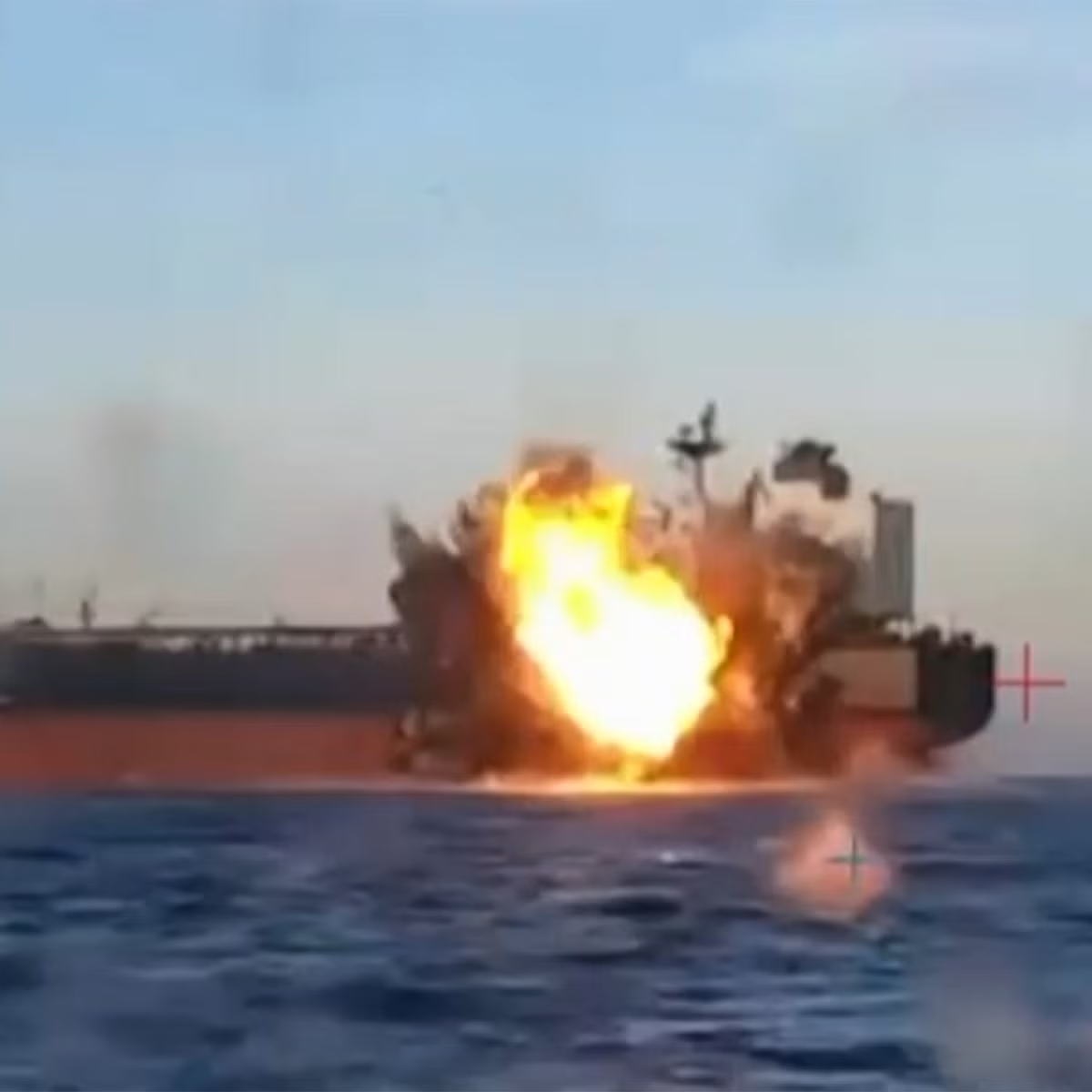
Have you recently seen headlines reporting that civilian merchant ships in the Black Sea were struck by drone and missile attacks, resulting in tragic casualties?
While this might feel like a distant tragedy happening in a faraway land, it is actually the starting point of a massive economic domino effect. It directly influences the price of bread and noodles at your local grocery store, as well as your monthly gas expenses and mortgage interest payments.
The global economy is currently caught in an unprecedented storm of high inflation and elevated interest rates, driven by three interlocking, dangerous gears: [The Black Sea Blockade of the Russia-Ukraine War] + [The Oil Shock from the Middle East Conflict] + [Prolonged High Interest Rates led by the U.S.]. How and when will this deeply tangled web unravel? Here is an accessible, multi-dimensional analysis of the 3-step international political and economic resolution roadmap leading to 2027.
1. Black Sea Blockade & Food Prices: The 4-Year Turning Point in the Russia-Ukraine War
Connecting Europe, the Middle East, and Asia, the Black Sea has historically served as the “breadbasket and vital energy corridor of the world.” However, as the war stretches into its fourth year, this region has morphed into one of the world’s most dangerous maritime conflict zones.
[Attacks on Black Sea Merchant Ships & Refineries] ──► Food & Fuel Supply Cutoff (Grocery Inflation Surge) │[Late 2026: U.S. Midterm Elections Conclude] ──► U.S. Political Uncertainty Clears & Oil Policies Stabilize │[First Half of 2027 Turning Point] ──► Black Sea Navigation Safety MOU & Ceasefire Talks Begin
① Escalating Maritime Attrition Warfare
- Ukraine’s Counteroffensive: Ukraine is aggressively targeting Russia’s primary revenue source—the crude oil “Shadow Fleet”—and key oil refineries using advanced kamikaze drones.
- Russia’s Unrelenting Blockade: In response, Russia is launching indiscriminate strikes against civilian cargo ships carrying Ukrainian grain and retaliating against port infrastructure.
② Soaring Logistics Costs & Grocery Inflation
With the Black Sea designated as a high-risk zone, maritime insurance premiums and shipping freight rates for vessels have skyrocketed several-fold compared to previous years. This has paralyzed global grain supply chains, driving up everyday supermarket staples such as flour, cooking oil, and canned goods.
③ U.S. Political Calculations & The Key to a 2027 Resolution
Ahead of the November midterm elections, the U.S. Trump administration has relied on temporary fixes—such as indirectly purchasing Russian diesel through rerouted supply lines—to appease domestic farmers and manufacturers hit by high fuel costs.
However, once the political spectacle of the elections concludes in late 2026, these improvised pressure tactics will settle. By the first half of 2027, as both sides reach their economic breaking point due to paralyzed logistics, a “NEW Black Sea Safe Navigation MOU” is expected to be brokered by the UN and Türkiye, finally untangling the crisis.
2. Prolonged Middle East Tensions & Iran’s “Oil and Nuclear Back-to-the-Wall” Stance
Beyond Ukraine, the Middle East is holding a geopolitical time bomb of its own. At the center of this tension is Iran and the world’s most critical oil transit chokepoint: the Strait of Hormuz.
[U.S.-Israel Pressure on Iran] ──► Iran Upgrades Underground Nuclear Facilities & Showcases Drones │[Threat to Block Strait of Hormuz] ──► Crude Oil Prices Surge (Risk of Passing $100/Barrel) │[2027 Temporary Peace Accord] ──► Major Powers Broker "Conditional Energy Truce"
- Destabilization via Proxies: Iran continues to stir up energy production facilities and Red Sea shipping routes in neighboring countries through proxy groups such as the Houthi rebels in Yemen.
- The Oil Blockade Card: If pressure from the U.S.-Israel alliance intensifies, Iran is highly likely to unveil upgraded nuclear capabilities and long-range drones produced in underground facilities, threatening to “block the Strait of Hormuz, through which 20% of global crude oil flows.”
- The 2027 Multilateral Energy Truce: Should international crude oil prices breach $100 per barrel, oil-importing giants like China and Europe—as well as Middle Eastern oil producers—will suffer immense economic damage. Consequently, a “multilateral energy truce conditioned on transit security” is likely to be established under major power mediation around 2027.
3. Escaping High Inflation & Interest Rates: A Soft Landing for European Civil Unrest
The widespread protests and civil unrest shaking Europe are not merely expressions of political frustration. They stem from a fundamental survival crisis: “Incomes are stagnant, bread and fuel prices are soaring, and mortgage interest payments have become unbearable.”
The 3-Step Roadmap out of the High-Cost Vicious Cycle
| Phase | Timeline | Key Structural Changes | Practical Impact on Daily Life & Economy |
| Phase 1 | November 2026 | Conclusion of U.S. Midterms; Resolution of Uncertainty | Short-term oil policy stabilization and reduction of political risks |
| Phase 2 | Late 2026 – Early 2027 | U.S. Federal Reserve Begins Rate Cut Pivot | Lower commercial mortgage rates ease household interest burdens |
| Phase 3 | Second Half of 2027 | Restoration of Black Sea / Middle East Logistics & Stable Grain Prices | Real drop in grocery inflation; European civil unrest cools down |
① The Federal Reserve’s Rate Cut Pivot (Late 2026 – Early 2027)
Unable to sustain the fiscal strain and soaring national debt interest payments caused by high rates, the U.S. Federal Reserve will begin cutting benchmark interest rates. This will lower borrowing costs across commercial banks globally, directly relieving mortgage burdens for ordinary households.
② Tangible Price Stabilization in Global Grocery Staples (Second Half of 2027)
Agricultural supply chains inherently involve a structural lag between sowing, harvesting, and redeploying cargo ships. Even if the Black Sea Safe Navigation MOU is signed in early 2027, the actual stabilization of grocery prices at local supermarkets will materialize in the second half of 2027.
③ Resolving Social Conflict & Achieving an Economic Soft Landing
Only in the second half of 2027—when reduced interest payment burdens align with the resolution of food and energy supply imbalances—will the ticking time bomb of European civil unrest deactivate, allowing the global economy to regain stability.
💡 Final Summary
The current global economic crisis is a massive geopolitical chain forging together [The Black Sea Blockade] + [Middle East Oil Shocks] + [Prolonged U.S. High Interest Rates].
This vicious cycle will unravel step-by-step: Conclusion of U.S. Midterms ➔ Fed Rate Cuts & Black Sea Safe Navigation MOU in Early 2027 ➔ Restoration of Global Grain & Energy Supply Chains in the Second Half of 2027.