
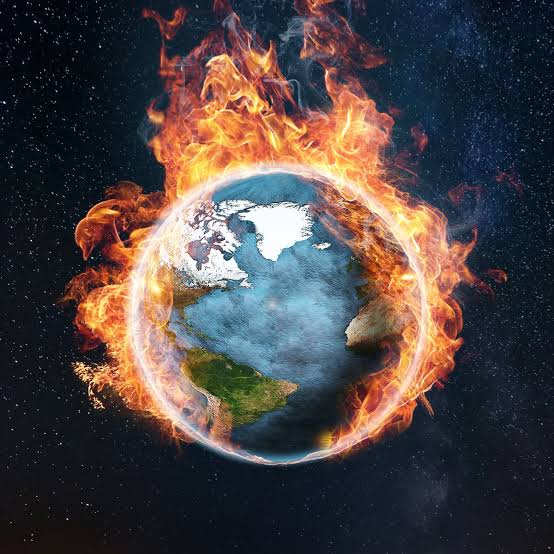
First Climate Summit Collapse in 17 Years: Humanity Just Pulled Its Own “Survival Safety Pin”
The UN Climate Change Conference (COP31) in Antalya, Türkiye, has ended empty-handed. For the first time in 17 years—since the 2009 Copenhagen summit—world leaders failed to adopt even a final agreement.
This is far more than a diplomatic breakdown. With global average temperatures having already breached the critical 1.5°C threshold above pre-industrial levels, humanity has made a fateful choice: pulling its own survival safety pin in favor of short-term energy dominance and immediate profit.
“They are killing our future right inside this conference hall. They are killing our future. Just kill me right now.”
— A climate activist’s desperate cry inside the Antalya summit venue
How severely is our planet damaged, why did 200 nations fail to reach an agreement, and what must we do now that political diplomacy has ground to a halt?
1. A Runaway Train Without Brakes: Earth’s Climate Tipping Points Are Collapsing
What makes the climate crisis truly terrifying is that temperatures do not rise neatly by one degree each year. Once specific thresholds—known as climate tipping points—are crossed, Earth enters a runaway state, driving its own temperatures higher like a train with broken brakes. Scientists warn that four critical planetary safety systems are already failing:
- Disappearance of Arctic Sea Ice and the Greenland Ice Sheet (Broken Planetary Cooler): As bright white ice that reflects sunlight back into space melts away, the dark ocean absorbs solar heat directly. As a result, global warming is accelerating 2 to 3 times faster than before.
- Weakening of the Atlantic Meridional Overturning Circulation / AMOC (Direct Threat to Global Food Supply): Massive influxes of freshwater from melting glaciers have slowed the giant ocean currents that regulate global heat to their weakest point in 1,000 years. If this circulation collapses, Europe will face deadly swings between extreme cold and heatwaves, while disrupted tropical monsoons will devastate the world’s major breadbaskets.
- Thawing Permafrost (Detonating a Time Bomb): As frozen ground across Siberia and Alaska thaws, vast reserves of trapped methane gas are escaping into the atmosphere. Methane has a greenhouse effect roughly 80 times more potent than carbon dioxide. Once this permafrost thaws completely, the planet will continue heating up even if humanity shuts down every factory today.
- Savannization of the Amazon Rainforest (Losing Earth’s Lungs): Driven by severe droughts and wildfires, parts of the Amazon have already flipped from absorbing carbon to actively emitting it.
The Reality of Breaching the 1.5°C Threshold 1.5°C is not just an abstract number. It is the physical boundary where 70–90% of ocean coral reefs die off, collapsing marine food chains, and where glacial lake outburst floods and landslides in the Himalayas become routine disasters. If temperatures climb just 0.5°C higher to breach the 2.0°C mark, Earth will be permanently locked into an irreversible “Hothouse Earth” trajectory that no human technology can reverse.
2. Why Did 200 Nations Fail to Sign a Deal?
The head-on collision at COP31 between oil-producing nations (such as Saudi Arabia and Russia) and the European Union alongside climate-vulnerable countries stems from three structural contradictions:
| Three Causes of the COP31 Collapse | Core Breakdown |
| 1. The Trap of Consensus Rule | Under UN rules, if even a single country out of 200 objects, no agreement can pass. Oil-producing states held out until the end, stripping the core “fossil fuel phase-out” pledge from the text entirely. |
| 2. Power Hunger Fueled by AI and War | On top of energy security crises triggered by conflicts like the war in Ukraine, electricity demand for AI data centers and semiconductor plants has surged. Even major powers showed hypocrisy, delaying the closure of coal and gas power plants to prevent immediate blackouts. |
| 3. The Money Dispute (Climate Finance Distrust) | Wealthy nations dodged their promised $120 billion climate finance share, while developing nations pushed back, stating they cannot cut emissions without funding. |
In particular, the Russian delegation’s warning that “cutting supply before demand will trigger an energy price shock” laid bare the existential panic of petrostates—knowing their economies and regimes face collapse the moment they abandon oil and gas.
3. When Politics Stalls, What Must We Do? (3 Breakthrough Strategies)
We cannot simply sit back and wait for catastrophe because UN consensus diplomacy failed. It is time to abandon slow multilateral talks and shift the battleground to enforceable economic, technological, and civic pressure that forces nations and corporations to act.
① Turn Environmental Protection into Trade Barriers (Carbon Tariffs)
UN agreements carry no fines when broken, but tariffs that choke off cash flow are different. Like the European Union’s Carbon Border Adjustment Mechanism (CBAM), nations must impose punitive tariffs on carbon-intensive steel, aluminum, and semiconductors. When export routes are blocked, oil-producing and high-emitting nations will be forced to decarbonize simply to survive.
② Neutralize Fossil Fuels Through Cost-Effective Tech Revolutions
Even if politicians refuse to sign a treaty, the market will naturally abandon fossil fuels once solar, wind, battery storage (ESS), and Small Modular Reactors (SMRs) become overwhelmingly cheaper than coal and gas. Specifically, mandating waterless cooling technologies and renewable Power Purchase Agreements (PPAs) for energy-hungry AI data centers will cut carbon emissions far faster than a hundred diplomatic declarations.
③ Citizens’ Most Powerful Weapons: Shifting Votes and Capital
Politicians and corporations ignore moral pleas, but they respond immediately to ballots and capital flows:
- Make Climate Policy a Voting Litmus Test: Build voter coalitions in general and presidential elections that refuse to support parties or candidates who sideline climate action.
- Monitor Your Pension and Bank: Demand fossil fuel divestment so that our national pensions, retirement funds, and bank deposits are no longer used to finance new oil drilling or coal power plants.
- Break the Silence: Share the scientific reality of the climate crisis with those around you and continuously petition governments to enact effective carbon taxes.
Summary
The collapse of the Antalya climate summit sounds the death knell for traditional consensus-based environmental diplomacy. Standing on the brink of irreversible chain reactions—from thawing permafrost to slowing ocean currents—humanity can no longer afford to wait for UN agreements held hostage by petrostates.
Only when economic penalties like carbon border tariffs, rapid clean-energy innovation, and citizen-led pressure through votes and capital oversight converge will the world’s major powers finally recalculate their future.