
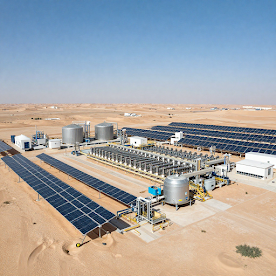
Analysis of Samsung E&A’s Financial Structure: Outlook on the Energy Transition and Strong Shareholder Return Policy
As of May 2026, Samsung E&A (formerly Samsung Engineering) has transformed from a traditional plant builder into a strategic energy solution provider. Its financial structure reflects a highly stabilized “Cash-Rich” balance sheet, which it is now aggressively leveraging to secure dominance in the global green hydrogen and ammonia value chains.
I. 2026 Financial Health: The “Net Cash” Powerhouse
Unlike many competitors that rely on heavy debt to fund energy transitions, Samsung E&A is operating from a position of extreme liquidity.
- Net Cash Position: As of Q1 2026, the company maintains a net cash balance exceeding 3 trillion KRW. This provides a massive “war chest” for equity investments in hydrogen projects without the need for high-interest loans.
- Operating Profit (Q1 2026): Reported at 188.2 billion KRW, a 19.6% increase YoY. This growth is driven by a shift toward high-margin “Advanced Tech” (semiconductor plants) and “New Energy.”
- Profitability Stability: Maintaining a steady gross margin of 8–12%, even while transitioning into new sectors, thanks to its “Pre-EPC” strategy (performing front-end design to lock in costs before construction).
- Shareholder Returns: In early 2026, the company increased its dividend by 20% (790 KRW per share), signaling confidence in its cash-flow generation from new energy businesses.
II. Green Hydrogen Investment Portfolio (E&Able Strategy)
Samsung E&A categorizes its hydrogen investments under its “E&Able” brand, focusing on production, transport, and conversion.
1. The Oman “Hydrogen Duqm” Project (K-Consortium)
This is the company’s flagship green hydrogen production asset.
- Structure: Joint Venture (LLC) established with POSCO (Samsung E&A holds a 19.2% equity stake).
- Scale: Total investment of $7 billion (~10 trillion KRW).
- Status: FEED (Front-End Engineering Design) finalized; construction is scheduled to begin in 2027 with a target for commercial operation by 2030.
- Output: 220,000 tons of green hydrogen annually, converted into 1.2 million tons of green ammonia for export to South Korea.
2. The Wabash Low-Carbon Ammonia Project (USA)
A strategic entry into the North American blue/green hydrogen market to leverage IRA (Inflation Reduction Act) subsidies.
- Status: Officially broke ground on January 5, 2026 in Indiana.
- Contract Value: ~$475 million (EPF contract) for a total project value of $2.6 billion.
- Impact: This plant will produce 500,000 metric tons of low-carbon ammonia annually while capturing 1.67 million tons of CO2 per year.
III. 2026 Order Targets & Segment Performance
The “New Energy” segment has moved from a future concept to a primary revenue driver.
| Business Segment | Q1 2026 Revenue | Strategic Role |
|---|---|---|
| Hydrocarbon | 1.13 trillion KRW | The “Cash Cow” (Traditional Oil & Gas) |
| Advanced Tech | 574 billion KRW | High-margin semiconductor & affiliate work |
| New Energy | 563 billion KRW | High-growth (Hydrogen, Ammonia, CCS) |
- 2026 Order Target: The company is aiming for 10 trillion KRW in Clean Energy orders this year.
- Key Pending Tenders:
- Mexico Methanol Project: World’s largest low-carbon methanol plant ($2.5B+).
- Saudi SAN-6 Blue Ammonia: Competitive bid for SABIC’s massive hydrogen complex ($3.5B).
IV. Strategic Summary: Samsung E&A vs. Industry Peers
- System Architect & Owner: While Doosan Enerbility is positioning itself as the “Foundry” (providing the turbines and hardware), Samsung E&A is acting as the “System Architect & Owner.”
- Risk Management: Samsung E&A utilizes a “Pre-EPC to EPC” link. By doing the engineering work early, they reduce the risk of cost overruns—a major financial pitfall in new energy projects.
- Asset Ownership: Unlike traditional EPC firms that just build and leave, Samsung E&A is now taking equity stakes (like in Oman), ensuring long-term recurring dividend income from hydrogen production.
- Efficiency: The company is deploying “Digital Twins” and AI-driven modular construction to reduce site labor costs by up to 30%, protecting their margins against global inflation.
💡 Final Verdict
Samsung E&A’s financial structure in 2026 is one of the strongest in the global engineering sector. Their transition is characterized by high liquidity and low debt, allowing them to “buy their way” into the most lucrative green hydrogen consortia globally.