
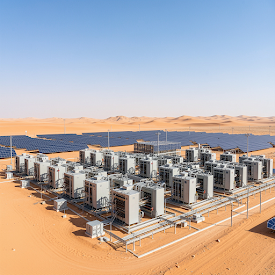
Strategic Absence from Oman Green Hydrogen Bidding
This presentation provides a strategic analysis of why Doosan Enerbility was absent from the front-line bidding list for the Oman Green Hydrogen (Hydrom) concessions, focusing on their 2026 “Technology Foundry” pivot.
Strategic Analysis: The “Foundry” Pivot vs. The “Developer” Risk
1. Shift to “Asset-Light” Technology Leadership
As of 2026, Doosan Enerbility has completed a major structural transformation. They have moved away from competing as a Lead Developer (Concessionaire)—the role taken by POSCO and Samsung E&A in Oman—to focus on being a Global Technology Foundry.
- The Logic: Acting as a developer requires massive, long-term equity locking (20–40 years) and high financial risk.
- The Pivot: Doosan now prioritizes high-margin equipment manufacturing and specialized EPC services over owning the project land.
2. 2026 Capital Allocation Priorities
Doosan’s 2026 financial roadmap is incredibly dense. The company has committed 840 billion KRW in 2026 alone toward:
- SMR (Small Modular Reactor) Manufacturing: Establishing themselves as the “global foundry” for NuScale and other SMR designs.
- Hydrogen-Capable Gas Turbines: Finalizing the commercialization of 380MW ultra-large hydrogen turbines.
- Yongin Semiconductor Cluster: Fulfilling massive power infrastructure orders for South Korea’s domestic semiconductor expansion.
💡 Key Insight:
Bidding as a lead for Oman would have strained capital reserves currently prioritized for domestic and SMR facility expansion.
3. The “Supplier, Not Competitor” Strategy
By not bidding as a lead, Doosan positions itself as a neutral technology partner for all winning consortia.
- The “Shovel Seller” Model: In a “gold rush,” it is often more profitable to sell the shovels than to dig the mine.
- Oman Role: Doosan is the primary candidate to supply the hydrogen turbines, storage tanks, and EPC expertise to the very companies (POSCO, Samsung E&A, Shell) that won the Oman blocks.
- Case in Point: In late 2025, Doosan secured a major $88 million turbine order from Samsung E&A for a Qatari project—proving they can profit from Middle East expansion without bidding for the primary concession.
4. Risk Mitigation: The “Offtake” Barrier
The 2026 Oman projects face a significant “Offtake Gap” (a lack of guaranteed buyers at premium prices).
- POSCO’s Advantage: POSCO bid for Oman because they have internal demand (for green steel).
- Doosan’s Reality: As a power equipment manufacturer, Doosan lacks a “captive buyer” for hydrogen. Without a way to use the hydrogen themselves, bidding for production land is a purely speculative financial play that doesn’t align with their 2026 focus on stability and technical execution.
📊 Summary for 2026 Strategic Outlook
| Category | Why They Didn’t Bid (Lead) | Where They Are Instead |
| Financial | High equity lock-up / Low liquidity | Investing 840bn KRW in SMR / Turbine R&D |
| Role | Concessionaire (Project Owner) | Foundry / EPC / Vendor |
| Risk | Market price volatility of Hydrogen | Fixed-price equipment supply contracts |
| Synergy | No internal hydrogen offtake | Powering the AI era via SMRs & Gas Turbines |
💡 Expert Opinion
Doosan Enerbility’s absence from the bidder list is a sign of financial discipline, not a lack of interest.
They are choosing to be the engine room of the Middle Eastern hydrogen economy, letting others handle the geopolitical and land-use risks of the “concession” while they reap the rewards of the equipment and construction spend.