
The English Channel Tragedy and Global Migrant Treatment: Broker Dangers, Pros, and Cons by Nation
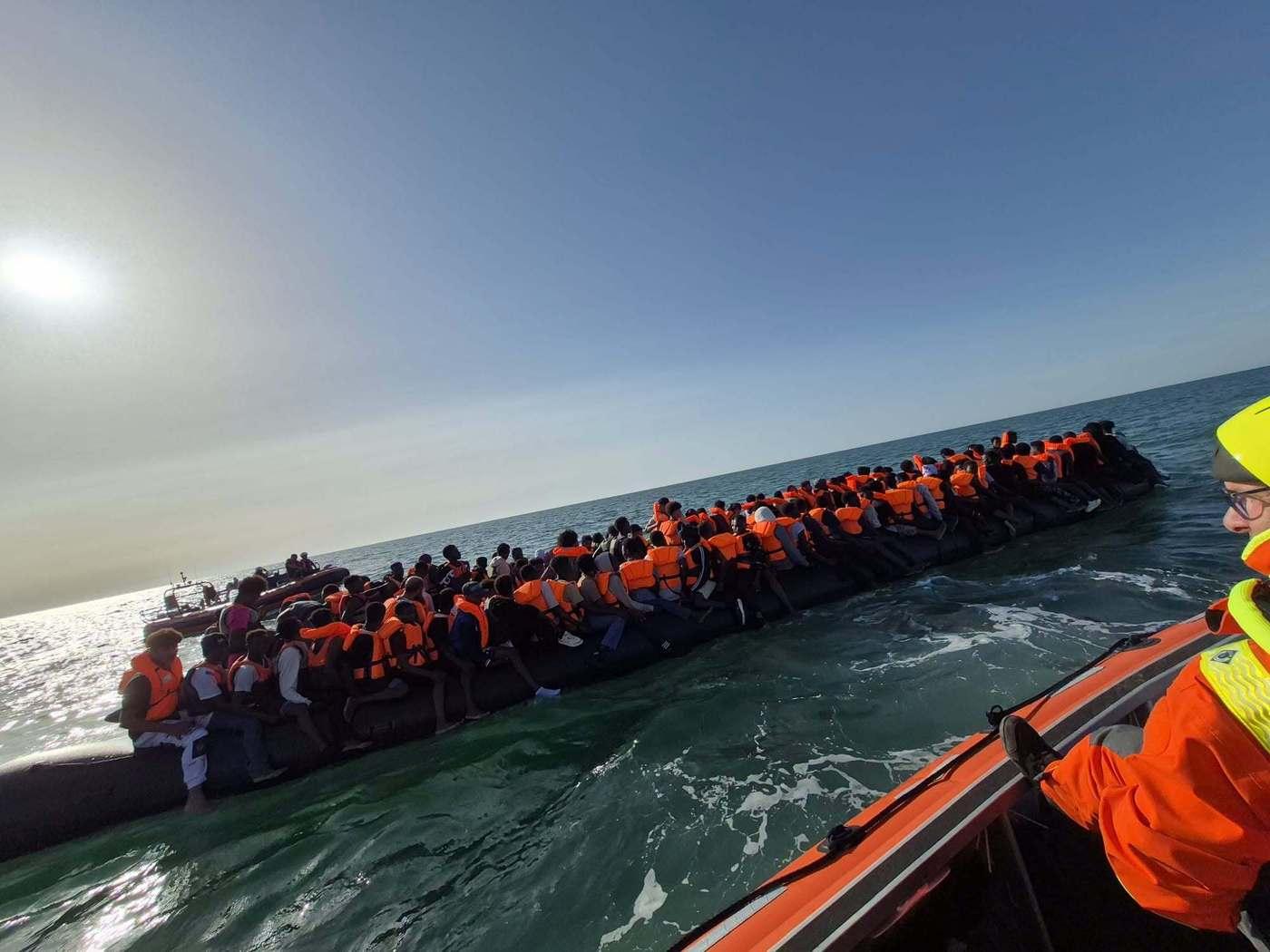
A shocking incident involving 230 migrants crammed onto a single small boat crossing the English Channel—the highest number ever recorded on a single vessel—starkly reveals the reckless overloading strategies of human trafficking networks and the extreme limits of European migration policies. Strong enforcement by the UK Home Office, counter-protests from civic organizations, and tightening border controls in Austria, Poland, and Germany demonstrate that irregular migration has escalated into a complex crisis intertwining national security, fiscal burdens, and political polarization. This article offers a comprehensive, multi-regional analysis comparing migrant treatment across continents, the severe criminal mechanisms of smuggling brokers, and the structural pros and cons of national immigration policies.
1. Comparative Analysis of Regional Migrant Policies and Treatment
Global migration policies vary significantly depending on economic demand, demographic structures, and regional geopolitical security dynamics.
[Global Migration Policy Landscape] Europe (EU & UK) : Strict Enforcement & Rapid Repatriation (EU Pact on Migration / Reintroduced Border Checks) Americas : Enhanced Border Screening & Divergence Between Enforcement and Humanitarian Aid Asia : Strict Settlement Limits & Short-term Selective Labor Importation
① Europe (UK and Major EU Nations)
- United Kingdom: Under the Labor government, the newly established Border Security Command utilizes advanced surveillance and investigative resources to crack down on trafficking networks. However, human smugglers respond with dangerous overcrowding tactics, drastically increasing the number of passengers per vessel. Meanwhile, skyrocketing costs for housing asylum seekers in hotels and severe shelter shortages have pushed domestic social and political tension to unprecedented levels.
- Major EU Nations (Germany, Austria, Poland):
- Germany: Reversing its historically open-door refugee policy, Germany has reinstated land border controls across all neighboring frontiers—even within the Schengen Area—to stem the influx of unauthorized migrants.
- Austria & Poland: Both nations maintain hardline stances by strictly limiting asylum application procedures for irregular arrivals, constructing physical border barriers, and enforcing rapid deportation measures to safeguard national sovereignty.
② Americas (United States, Canada, Latin America)
- United States: Facing record numbers of unauthorized entries along its southern border, the US has significantly tightened asylum eligibility criteria and frequently invoked emergency border closure measures while expanding rapid deportation protocols.
- Canada: Moving away from its traditionally high immigration targets, Canada introduced structural reductions in permanent residency quotas and temporary resident limits (international students and temporary foreign workers) to mitigate severe housing unaffordability and strain on public infrastructure.
③ Asia (South Korea, Japan, GCC Countries)
- South Korea & Japan: Both nations maintain exceptionally low asylum recognition rates (around 1%). Rather than promoting permanent refugee settlement, they rely on highly regulated, temporary non-professional worker programs to address severe demographic aging and labor shortages.
- Middle East (GCC Nations): Operating under the Kafala sponsorship system, Gulf nations host vast numbers of foreign workers while strictly restricting pathways to permanent residency or citizenship, maintaining a firm policy distinction between labor utilization and national welfare benefits.
2. Human Commodity Exploitation and Criminal Dangers of Smuggling Brokers
Organized human smuggling networks exploit the desperation of vulnerable individuals, treating migrants merely as lucrative “unregistered cargo” to maximize illicit profits.
- Systemic Overcrowding Strategies: The average number of passengers per inflatable boat has surged from 7–10 people in past years to 60–200+ individuals today. Smugglers deliberately overload fragile vessels to extract maximum profit per journey despite high detection risks.
- Fatal Operational Risks: Mounting heavy outboard motors onto unseaworthy, low-quality rubber dinghies frequently results in engine fires, structural hull collapses, and capsizing. In the treacherous, high-current waters of the English Channel, these practices routinely lead to tragic, preventable loss of life.
3. Structural Analysis: Benefits (Pros) and Costs (Cons) of National Immigration Policies
| Category | Policy Benefits (Pros) | Risks and Costs of Irregular Migration (Cons) |
| Economic Impact | • Replaces declining working-age populations in aging societies • Relieves critical labor shortages in essential and low-wage sectors • Expands consumer base and broadens tax revenues | • Surging public expenditure (housing, healthcare, and social welfare support) • Heightened wage competition among low-skilled domestic workers |
| Social & Infrastructure | • Enhances cultural dynamism and diversity • Drives innovation by attracting global talent | • Social integration friction and cultural/religious conflicts • Severe strain on public housing, healthcare systems, and education |
| Security & Governance | • Upholds humanitarian norms and enhances international diplomatic standing | • Vulnerabilities in border security and risk of criminal element infiltration • Empowerment of transnational organized crime syndicates • Deepening political polarization between political factions |
Navigating the delicate equilibrium between upholding humanitarian principles and maintaining domestic security remains one of the defining governance challenges of our era. Sustainable immigration frameworks require robust border enforcement paired with clear, legal pathways that align with national economic capacity and social cohesion.