
Middle East and Russia Blockades vs. North American Oil Monopoly: Energy Hegemony Shifts and Investor Solutions
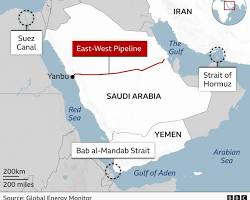
The comprehensive blockade of key maritime passages—including the Red Sea, Suez Canal, and Strait of Hormuz—by pro-Iranian militant groups, coupled with prolonged sanctions against Russia, has effectively crippled Middle Eastern and Russian crude oil transport networks. As Gulf region logistics become severely isolated, the global crude oil market has entered a structural monopoly where it relies overwhelmingly on North American crude (US WTI and Canadian WCS/WTI). This analysis explores the shift in global energy hegemony caused by Middle Eastern maritime blockades and outlines concrete, highly structured asset allocation solutions for investors seeking long-term resilience and superior returns.
1. Rapid Restructuring Mechanics of Global Oil Supply and Demand
The global oil supply chain has historically maintained a precarious reliance on maritime chokepoints. Recent multi-front blockades have permanently altered these traditional logistics routes, forcing a fundamental shift toward inland-secured energy assets and altering the balance of global geopolitical power.
Middle East Multi-Front Blockade (Hormuz, Red Sea, Suez) & Russian Sanctions │ ▼ (Maritime Transport Paralyzed / Ton-Miles Surge)North American Crude (US WTI / Canadian WCS) & Inland Pipelines Benefit │ ▼[US E&P / Canadian Oil Sands / North American Midstream / Global Refiners High Margins]
① Physical Isolation and Transport Paralysis of Middle Eastern Oil
Crude exports from Gulf nations such as Saudi Arabia, the UAE, and Iraq face severe bottlenecks. Drone attacks north of the Suez Canal and the blockade at the Bab-el-Mandeb Strait have severed major shipping routes. Attempts to reroute tankers around the Cape of Good Hope in Africa remain trapped due to escalating military tensions directly within the Strait of Hormuz itself. Furthermore, upstream production facilities in the region face severe operational backlogs due to limited storage capacity and mounting logistical friction.
② Russian Sanctions and Third-Party Transport Risks
Layered on top of ongoing Western sanctions, targeted attack risks against shadow fleet tankers have pushed war risk premiums for Russian oil transport to unprecedented highs. Consequently, both Western and non-Western refiners—including those in Asian markets that previously absorbed discounted Russian barrels—are increasingly reluctant to purchase Russian crude due to soaring logistical, legal, and financial liabilities.
③ Solidification of North American Market Hegemony
Holding Atlantic supply dominance, the United States (Permian Basin) and Canada (benefiting from oil sands and the Trans Mountain Pipeline Expansion) remain completely insulated from maritime blockade risks. Backed by extensive inland pipeline networks, streamlined regulatory frameworks, and direct export terminals facing the Pacific and Atlantic, North America has emerged as the sole irreplaceable supplier in the global energy market.
2. Deep-Dive Sector Analysis and Strategic Solutions for Investors
This geopolitical shift represents a structural realignment of profitability across global energy markets. Investors must adjust their asset allocation models swiftly to capture these emerging structural opportunities while hedging against global macroeconomic turbulence.
① Focus on North American Independent Exploration & Production (E&P)
- Analysis: In an environment of skyrocketing oil prices, US Permian Basin and shale producers benefit from low production costs and zero geopolitical risk, driving a massive surge in Free Cash Flow (FCF). Exceptional capital efficiency across these firms allows for unprecedented cash generation even under volatile broader market conditions.
- Solution: Increase allocations toward major US E&P companies (such as ConocoPhillips, EOG Resources, and Occidental Petroleum) that feature attractive valuations and strong shareholder return programs (special dividends and aggressive share buybacks).
② Canadian Oil Sands and Pipeline Infrastructure (Midstream)
- Analysis: Western Canadian Select (WCS) heavy crude is the only viable real-world substitute for Middle Eastern heavy crude grades. The completion of the Trans Mountain Pipeline (TMX) expansion provides direct access to Pacific ports, allowing Canadian producers to bypass Middle Eastern maritime blockades entirely and capture premium Asian market demand.
- Solution: Invest in major Canadian oil sands operators (e.g., Canadian Natural Resources, Suncor Energy) and North American midstream pipeline operators (e.g., Enbridge, TC Energy) to secure high dividend yields alongside direct upside from rising crude prices.
③ Shipping Industry Benefits from Surging Ton-Miles
- Analysis: With Middle Eastern sea routes obstructed, Asian and European importers must source crude from distant North American markets. This structural shift causes a dramatic surge in Ton-Miles (volume multiplied by distance traveled), driving Very Large Crude Carrier (VLCC) and Aframax tanker freight rates to record high levels.
- Solution: Allocate capital to global tanker operators and specialized shipping ETFs operating on long-haul routes that circumvent geopolitical risk zones, securing sustained yield from elevated charter rates.
④ Commodity Inflation Hedges and Cash Reserves
- Analysis: Prolonged spikes in oil prices risk triggering stagflation across major economies, which can compress equity market valuation multiples across non-energy sectors.
- Solution: Elevate portfolio allocations in the energy sector and commodity ETFs to 15–20% to hedge against opportunity cost, while utilizing oil futures strategies (WTI/Brent Long) to capture accelerating geopolitical price premiums effectively.