
The Tank Day Controversy and Starbucks’ Tax Evasion / Multinational Corporate Taxation and the Future Outlook for the Coffee Market
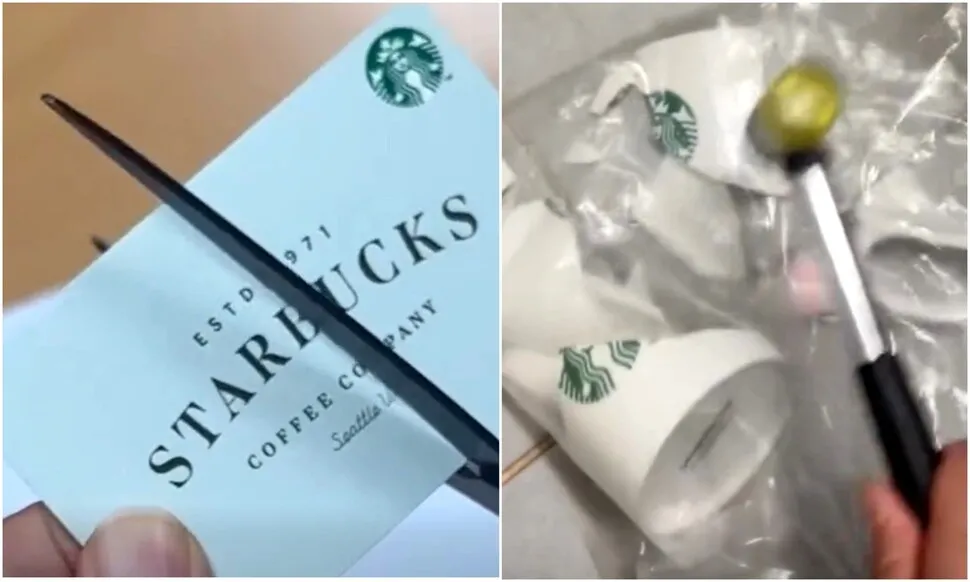
The recent controversy surrounding Starbucks’ “Tank Day” event, which coincided with the anniversary of the May 18 Democratization Movement, has triggered a massive consumer boycott alongside strong backlash from domestic consumers and the political sphere. Moving far beyond a simple marketing blunder, this serves as a prime case study highlighting the critical risks that emerge when a multinational corporation fails to account for the historical and cultural context of a host country.
Compounded by the long-standing international controversies regarding Starbucks’ offshore tax avoidance and lack of local tax contributions—particularly prominent in markets like the United Kingdom—the friction between the multinational coffee giant and local citizens is reaching an all-time high.
This analysis provides an in-depth examination of how these compounding global risks will reshape the dynamics of both domestic and international coffee markets moving forward.
Starbucks Boycott and Tax Contribution Controversy: Shifting Scenarios in the Global Coffee Market
1. The May 18 Controversy and Local Risk: The Core of the ‘Tank Day’ Boycott
Brand Image Plummets Due to a Lack of Historical Sensitivity
The rollout of an event titled “Tank Day” on the anniversary of a major pro-democracy movement deeply angered domestic consumers by evoking painful memories of military dictatorship and suppression.
- Political and Consumer Solidarity: The boycott, now amplified by politicians and influencers, is spreading rapidly across social media platforms. This backlash goes beyond inflicting short-term revenue hits on Starbucks Korea; it is branding the company with the stigma of being an “irresponsible corporation.”
- Lessons on Local Risk: This situation demonstrates how decades of built-up brand equity can crumble instantly if a global brand fails to grasp the historical trauma, political landscape, and cultural background of its host market.
2. The ‘Tax Contribution Conflict’ in the UK and International Society: The Original Sin of Multinational Corporations
Public Backlash Against Global Tax Avoidance
Despite generating trillions of won in revenue across the UK and broader European markets, Starbucks has faced repeated parliamentary hearings and boycotts for years due to accounting practices that leverage royalty payments and tax havens like the Netherlands to pay minimal corporate taxes.
- Deepening Conflict with Host Country Citizens: Critics argue that the company funnels locally earned profits back to its US headquarters or offshore tax havens while remaining tightfisted when it comes to local corporate social responsibility (CSR) and tax compliance. This has sparked fierce public resentment, with consumers noting: “The money we spend on coffee does not circulate back into our own society.”
- Global Regulatory Pressures: This growing resentment is precisely why major economies are fast-tracking the implementation of international regulatory frameworks, such as the “Global Minimum Tax” and “Digital Services Tax,” explicitly targeting multinational tech and retail conglomerates.
3. Three Major Impacts These Compounding Conflicts Will Have on the Future Coffee Market
The historically monopolistic market structure dominated by Starbucks is projected to face a massive shakeup due to this double whammy of localized cultural backlash and global tax friction.
① The Rise of ‘Ethical Consumption’ and Accelerated Growth of Alternative Brands
Consumers are increasingly evaluating a company’s moral integrity and social contributions alongside the taste and price of their coffee.
- Beneficiaries Among Homegrown Local Brands: A consumer migration (or “milk run”) is expected to accelerate toward local alternatives that generate domestic employment and faithfully contribute to the domestic tax base. Examples include homegrown Korean coffee franchises (such as Ediya and Mega Coffee) or local UK staples (like Costa Coffee).
- Surge of Specialty and Independent Cafés: Disillusioned by the standardized service and perceived hypocrisy of massive franchises, consumers will pivot toward independent neighborhood cafés and ethical establishments that source Fair Trade certified beans.
② Overhaul of ‘ESG Management’ and Marketing Strategies for Global Coffee Franchises
- Advanced ‘Localization’ Frameworks: Moving forward, multinational corporations will rigorously tighten their risk management protocols, making it mandatory to consult local historical experts before finalising even basic marketing campaign names.
- Pressure for Substantive Community Reinvestment: Companies will face intense pressure to move past superficial, token-gesture CSR initiatives like small-scale donations. Instead, they will be demanded to transparently disclose local reinvestment metrics and actual tax payment records. Brands that fail to comply risk permanently losing market share.
③ Margin Erosion and Industry-Wide Restructuring
To mitigate dropping capacity utilization rates and safeguard eroding brand value caused by the boycott, Starbucks is highly likely to launch aggressive promotional discounts and loss-leader marketing strategies. This will inevitably trigger fierce price wars across the broader coffee sector, squeezing the profitability of small-to-medium franchises and accelerating market consolidation.
4. Conclusion and Comprehensive Outlook
Starbucks’ ‘May 18 Tank Day controversy’ and its global ‘tax avoidance friction’ have forced consumers worldwide to ask a fundamental question: “Are multinational corporations respecting our values and our society while they line their pockets from our wallets?”
Moving forward, the coffee market will witness cracks in the unipolar dominance of a brand-power-dependent Starbucks. In its place, the industry will undergo a secondary paradigm shift centered around value-driven consumption—where the lead is taken by local-friendly brands showcasing genuine historical sensitivity and fiscal responsibility, alongside ethical coffee brands rooted in Fair Trade.