
KAIST Breaks 100-Year Oil Refining Paradigm: World’s First Room-Temperature Polymer Membrane Catalyzes the Hydrogen Economy
The groundbreaking achievement by Professor Dong-Yeun Koh’s research team at the Korea Advanced Institute of Science and Technology (KAIST)—published in the prestigious journal Nature—shatters the century-old “boiling” paradigm of the oil refining industry. By developing the world’s first “polymer separation membrane technology” that filters crude oil at room temperature, this innovation serves as a massive catalyst for the global energy paradigm shift.
By slashing energy consumption by 31.6% and reducing carbon emissions by 37.6% compared to traditional distillation column processes, this breakthrough goes far beyond mere carbon reduction. It provides a powerful bridge (Catalyst) that allows refining companies to save astronomical purification costs and rapidly pivot into “hydrogen and eco-friendly green bio-energy production hubs.”
From an investor’s multi-dimensional perspective, we analyze the current valuation of global oil refining facilities and the profound impact this technology will have on the hydrogen energy and future mobility roadmap.
1. Current State of Global Refining Facilities and the Disruptive Value of “Room-Temperature Separation (Snap-In)”
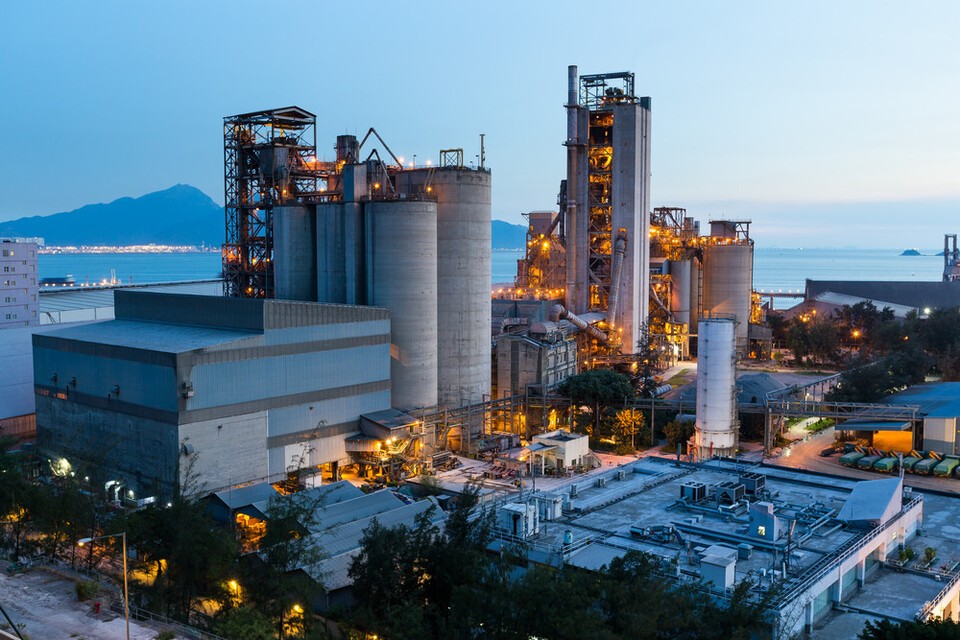
Currently, oil refineries worldwide boil massive distillation columns to over 350°C daily to process nearly 100 million barrels of crude oil. This process accounts for a massive chunk of global industrial energy consumption and stands as the single largest cost factor eroding refiners’ refining margins (Crack Spread).
- No Equipment Overhaul Required: The Appeal of “Snap-in” ModularizationThe greatest commercial value of Professor Koh’s technology lies in the fact that it does not require dismantling existing distillation towers worth tens of trillions of won. By simply inserting a low-cost porous polymer (PAN) membrane filter in a “snap-in” format ahead of the distillation piping, heavy components within the crude oil naturally narrow their pores to under 2 nanometers. This forms a “dense natural sieve” that ultra-rapidly purifies lighter components like gasoline and naphtha.
- A Net-Zero Survival Weapon for Global RefinersGlobal oil giants such as Aramco, ExxonMobil, S-Oil, and HD Hyundai Oilbank (which participated in the joint research) are backed into a corner by carbon taxes and environmental regulations. Because this technology immediately cuts energy costs in existing refining processes by over 31%, it presents a monopolistic business opportunity to be supplied as a standard specification for global refining facilities within the next 3 to 5 years—the expected timeline for commercialization.
2. Reduced Fossil Fuel Dependence and the Hydrogen Energy Production & Mobility Roadmap
This separation membrane technology does more than just refine oil cheaply; it serves as the detonator that evolves traditional oil refineries into “hydrogen and eco-friendly mobility energy production hubs.”
[Introduction of Crude Oil Separation Membrane] ➔ [Drastic Reduction in Refining Costs] ➔ [Investment of Surplus Capital & Thermal Energy into By-product/Blue Hydrogen Production] ➔ [Popularization of Hydrogen Vehicles & NEXO Infrastructure]
- ❶ Accelerating Refiners’ Transition into Hydrogen Hubs ($H_2$ Hubs)Processes like naphtha cracking during oil refining generate vast amounts of by-product hydrogen. Previously, refiners wasted enormous amounts of energy boiling crude oil. However, by securing surplus capital and thermal energy through membrane technology, oil companies gain the financial runway to aggressively build infrastructure for precision mass production and “blue hydrogen” combined with CCUS (Carbon Capture, Utilization, and Storage) technologies.
- ❷ Price Destruction in Hydrogen Charging and Distribution LogisticsThe biggest hurdle to the adoption of hydrogen fuel cell electric vehicles (FCEVs) has been the high cost of hydrogen production and transportation. When the existing gas station network infrastructure of refiners across the nation is combined with local hydrogen production processes secured via membrane technology, a “hydrogen energy distribution revolution” will materialize, supplying hydrogen at a lower unit price than diesel or gasoline.
- ❸ Forced Transition to the NEXO and Heavy Hydrogen MobilityEven if the passenger car market reorganizes around battery electric vehicles (BEVs), heavy-duty trucks, ships, spacecraft, and construction machinery responsible for long-distance logistics must ultimately adopt hydrogen fuel cells (FCEVs) due to energy density limitations. Once the roadmap stabilizing hydrogen prices via efficient refining processes is complete, Hyundai Motor’s next-generation NEXO and hydrogen commercial vehicle lineups will gain sustainable, explosive momentum to completely sever dependence on fossil fuels.
3. Mid- to Long-Term Core Value Stocks to Preoccupy from an Investor’s Perspective
This Nature-published achievement, which flips 100 years of oil refining history on its head, is the signal flare that will trigger a multiple re-rating of the chemical, material, and hydrogen themes in a booming market landscape.
① Joint Research Participants & Immediate Refining Margin Beneficiaries: S-Oil, SK Innovation
- Investment Approach: This membrane research features close alignment with the domestic refining industry, to the extent that researchers from HD Hyundai Oilbank jointly participated. Implementing this technology will structurally improve operating profit margins on financial statements by cutting refining costs by hundreds of billions of won. Compounded by reduced carbon emission credit purchasing costs, these stocks will be re-evaluated as highly preferred portfolios for global long funds.
② Hydrogen Mobility & Full-Lifecycle Infrastructure Leaders: Hyundai Motor Company, Doosan Fuel Cell
- Investment Approach: The roadmap for “dropping fuel costs”—the core of hydrogen vehicle price competitiveness—has begun at the hands of Korean researchers. As visibility for mass hydrogen production and supply is secured, the long-term value of the Hyundai Motor Group (which possesses world-class hydrogen fuel cell systems) and Doosan Fuel Cell (which monopolizes power generation and industrial hydrogen infrastructure) will elevate together.
③ Large-Area Polymer Separation Membrane & Core Chemical Material Companies: Sangbo, Hyosung Advanced Materials
- Investment Approach: The polyacrylonitrile (PAN)-based porous polymer membrane used by the KAIST research team is already a commercially available material. However, mass-producing it into modular forms for global oil refineries requires the participation of material value stocks possessing advanced “large-area modularization and precision chemical polymer processing technologies.” Investors must preoccupy hidden material leaders that will secure commercialization licenses within the next 3 to 5 years.
💡 Investor Takeaways: Final Position Summary
| Current Market Limits & Fears | Future Structure After Membrane Tech | Investor Action Plan |
| “The refining industry is a sunset industry as the main culprit of carbon emissions.” | Transformation into Eco-Friendly Hubs: The separation membrane process evolves refineries into hydrogen hubs while cutting carbon by 38%. | Do not blindly exclude traditional refining stocks; selectively BUY refining value stocks demonstrating leadership in membrane/hydrogen transitions. |
| “Hydrogen cars completely lost to EVs due to charging infrastructure and cost issues.” | Energy Unit Price Inversion: Slashing room-temperature refining costs lowers hydrogen distribution unit costs, ensuring successful popularization centered on commercial vehicles. | EXPAND allocations in the Hyundai Motor hydrogen value chain and precision polymer material stocks to maximize long-term capital gains. |
📌 Final Analytical Conclusion
The development of the room-temperature crude oil separation membrane by Professor Dong-Yeun Koh’s team at KAIST is not a mere laboratory success; it is a monumental, empirical achievement that shakes the paradigm of global oil refining distillation towers to its roots and pulls the arrival of the hydrogen economy forward by more than 5 years.
Global capital is now preparing a massive “money move” from boiling oil refineries to eco-friendly “molecular refining” via molecular-level filtration. Instead of getting trapped in short-term market noise and betting on the absolute demise of fossil fuels, investors should incorporate Korea’s ultra-gap refining leaders and high-tech polymer material blue chips—which are poised to absorb this innovative technology and dominate the mega-scale hydrogen energy supply chain—into their core mid-to-long-term portfolios to preoccupy the fruits of the upcoming super-boom.
Leave a Reply