
Strike Settled: Impact on Global Supply Chain, Stock Prices, and HBM Market Expansion
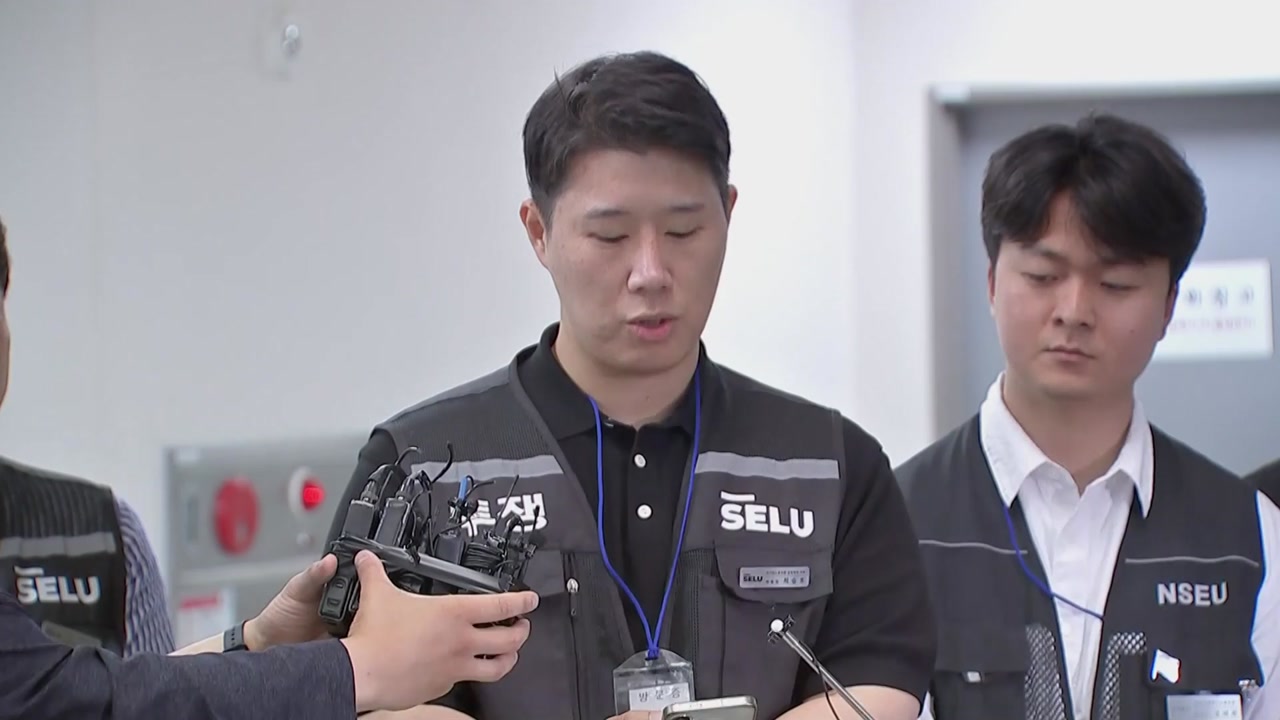
On May 20, 2026, the long-awaited news of the finalized agreement between Samsung Electronics management and the semiconductor labor union finally broke, bringing massive relief to the global tech industry and financial markets. Striking a dramatic deal at a critical juncture when the global AI memory shortage has been intensifying, this breakthrough resolution transcends a mere corporate labor dispute—it is hailed as the decisive milestone that averted a catastrophic gridlock in the global supply chain.
This in-depth analysis evaluates the strategic impact of this settlement on the international supply chain, stock market responses, Samsung’s blueprint for a humanoid AI-driven fully automated production line, and its potential to aggressively expand its HBM market share against Chinese competitors.
1. Impact of Samsung Semiconductor Settlement on Global Supply Chains and Stock Prices
International Supply Chain: Preventing a Worst-Case Legacy and Memory Shock
Had the strike been prolonged, it would have dealt a fatal blow not only to commodity memory modules like DRAM and NAND Flash but also to the rigorous shipping schedules of High Bandwidth Memory (HBM) destined for Nvidia.
- Securing Supply Stability: Immediately following the agreement, utilization rates at the Pyeongtaek and Giheung campuses stabilized at 100%. This completely eliminated delivery uncertainties for global Big Tech companies (Microsoft, Google, Meta, etc.) currently expanding their AI data centers.
- Relief Across the Component Ecosystem: The cascading threat of production halts among domestic and foreign MPE (Materials, Parts, Equipment) suppliers feeding Samsung vanished overnight, liberating the broader semiconductor value chain from the pressure of forced production cuts.
Stock Market Response: A Post-Uncertainty ‘Relief Rally’
- Return of Foreign and Institutional Inflows: Concerns over the “Korea Discount” and foreign capital flight—both exacerbated by the labor standoff—have completely settled. The breakthrough paves the way for strong net buying from foreign investors targeting South Korea’s benchmark semiconductor stock.
- Upward Price Momentum: By eliminating the downside risk of an operational shutdown, the market is poised to enter a robust upward trajectory. This allows structural “fundamentals,” such as projected earnings improvements and official next-gen HBM supply contracts, to be fully priced into the stock.
2. Plan for a ‘Humanoid AI Semiconductor Automated Production Line’ as a Future Survival Card
This labor strike will serve as a powerful trigger, aggressively accelerating Samsung’s internal roadmap toward achieving a “100% Unmanned Semiconductor Fab Automation Scenario by 2030.”
Automation Strategy to Hedge Human Resource Risks
Semiconductor manufacturing is a hyper-precision industry where even a few minutes of downtime can result in hundreds of millions of dollars in wasted wafers. Samsung will expedite the integration of intelligent robotics and humanoid AI into its cleanrooms, aiming to completely neutralize the impact of labor shortages or industrial disputes on advanced process yields through full automation.
The Virtuous Cycle of Humanoids and AI Semiconductors
- In-House Chip Production: Samsung will directly design and manufacture (via its foundry division) the on-device AI semiconductor “brains” and next-generation vision sensors that power these humanoid robots.
- Intelligent Process Deployment: These robot fleets, packed with Samsung-made AI chips, will then be deployed back into the unmanned production lines of the Pyeongtaek and Yongin mega clusters to manufacture cutting-edge memory, such as HBM4.
- The Strategic Moat: This dynamic will forge an impenetrable barrier to entry: “Maximize Production Efficiency ──> Slash Manufacturing Costs ──> Seize Dominant Global Price Competitiveness.”
3. Analysis of China’s Pursuit and Samsung’s Potential for HBM Market Share Expansion
The current HBM market is strictly dictated by extreme stacking technology (12-layer, 16-layer) and frontier-node manufacturing capabilities. With its internal labor risks cleared, Samsung’s market expansion outlook flashes highly positive signals.
Limits of Chinese HBM Capabilities and US Regulatory Barriers
While Chinese firms (such as CXMT) are attempting to manufacture proprietary HBM supported by massive government subsidies, they remain completely blocked by US export controls on advanced semiconductor equipment (such as EUV lithography). China’s HBM remains cornered in legacy architectures like HBM2E or early-stage HBM3, falling drastically short of the rigorous specifications demanded by Western tech giants like Nvidia and AMD.
Samsung’s HBM Market Overtaking and Expansion Scenario
[Samsung HBM Market Expansion Roadmap]Labor Risk Resolved (Supply Stability Proven) │ ▼Final Validation of HBM3E by Global Big Tech & Mass Production Volume Ramp-up │ ▼Pre-empting 'Custom HBM4' by Blending In-house Foundry Prowess (Countering the TSMC-SK Hynix Alliance) │ ▼Reclaiming Monopolistic Dominance in the Global HBM Market by 2026–2027 (Restructuring the Oligopoly)
- Restoration of Trust: For global Big Tech buyers whose highest priority is “uninterrupted, long-term supply capacity,” this labor settlement acts as the ultimate validation of reliability.
- Securing the HBM4 Leadership: Starting next year with HBM4 (6th generation), the fabrication of the base die will strictly require advanced foundry nodes. Samsung’s turnkey solution—housing both an advanced foundry and cutting-edge memory arms under one roof—gives it an overwhelming advantage in packaging costs and yield rates over competitors. This synergy will be the primary weapon to aggressively drive up its market share through the second half of the year.
💡 Summary and Conclusion
“The Most Valuable Inside Stability Secured Amid Global Geopolitical Chaos”
The breakthrough settlement of Samsung Electronics’ semiconductor labor dispute does more than just prevent an operational halt; it brands an indelible stamp of trust onto the global market, proving that “Korean semiconductors flow without interruption” even as the external supply chain fractures under geopolitical friction (such as the China-Russia alignment and the Middle East war).
Backed by a stabilized domestic footing, Samsung is now positioned to trigger structural cost-reductions via humanoid-driven fab automation, widen the tech gap to outpace Chinese pursuers, and step on the gas to engineer a monopolistic restructuring of the next-generation HBM4 value chain.